
The Link Between EGR System Malfunctions and the Valve Cover
Understanding How the EGR System Connects to Your Rocker Cover
The exhaust gas recirculation setup routes hot exhaust gases back into the engine cylinders safely.This smart process lowers combustion temperatures and reduces harmful nitrogen oxide emissions significantly.But,these hot gases carry sticky oil vapors and carbon particles along the way.
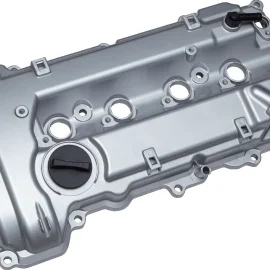
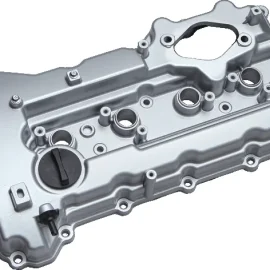
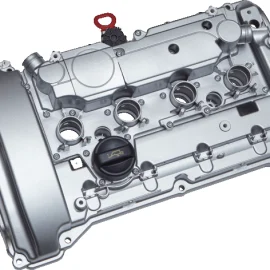
En tapa de válvulas houses the positive crankcase ventilation system, also known as the PCV valve.The PCV system regulates internal crankcase pressures during normal operation.If the exhaust gas recirculation system fails,internal engine temperatures skyrocket instantly.Consequently,this extreme heat cooks the engine oil inside the top cylinder head.The cooked oil transforms into thick,black sludge beneath your plastic or tapa de válvula de aluminio.
Pressure and Temperature Interactions
| EGR System Status | Crankcase Temperature Level | Internal Pressure State | Impact on Cover Gasket |
|---|---|---|---|
| Fully Functional | Normal Operating Temp | Stable / Regulated | Long Lifespan (No Leaks) |
| Severe Blockage | Extremely High Temp | High Pressure Buildup | High Risk of Blowing Seals |
| Leaking Valve | Fluctuating Temp | Low Vacuum Pressure | Accelerates Sludge Formation |
Obtenga un presupuesto ahora
Common EGR Malfunctions and Their Mechanical Impacts
A valve that sticks open allows too much exhaust gas to enter the múltiple de admisión.This causes the engine to idle roughly and often stall during morning starts.Furthermore,the continuous airflow rapidly increases crankcase pressure.Excessive pressure forces contaminated oil vapor directly against the rocker cover gasket.Eventually,the rubber gasket fails,causing engine oil to leak onto high-temperature engine components.
When the valve stays closed,combustion temperatures rise to dangerous levels.This intense thermal stress alters the chemistry of your motor oil.The oil vaporizes much faster and fills the upper cylinder head with dense smoke.Next,this oily smoke clogs the small ventilation ports inside the engine valve cover.Your vehicle will fail emissions tests easily.
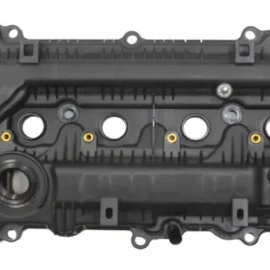
Exhaust gas coolers use engine coolant to lower gas temperatures before recirculation.Over time,heavy carbon deposits block these narrow cooling tubes completely.Uncooled exhaust gas enters the intake stream directly.This hot gas warps modern plastic components,including the composite valve cover housing.You must clean these passages to prevent permanent structural warping.
The engine computer relies on accurate sensor data to calculate fuel mixtures.A faulty sensor sends incorrect voltage signals to the main module continuously.The computer injects the wrong amount of fuel into the cylinders.This poor mixture creates excessive soot that ruins the clean environment under your valve cover.
Troubleshooting Hidden Problems Inside the Engine Rocker Cover
Mechanics must follow a logical diagnostic path to isolate these dual system issues.First,inspect the outer edges of the housing for fresh wet oil spots.Oily spots indicate that high pressure from EGR malfunctions blew the rubber seal out.
Next,remove the main oil cap while the engine idles gently.Watch for heavy smoke or strong air pulses blowing out of the filler neck.Heavy pulsing indicates that blockages have paralyzed the ventilation system completely.Check your vehicle dashboard for a bright check engine light.Scan the onboard computer to retrieve specific diagnostic trouble codes immediately.
Diagnostic Trouble Codes and Explanations
| OBD2 Error Code | Meaning of Code | Primary Root Cause | Required Rocker Cover Check |
|---|---|---|---|
| P0401 | Insufficient EGR Flow | Carbon buildup in tubes | Check for clogged PCV ports |
| P0402 | Excessive EGR Flow | Stuck open mechanical valve | Inspect seals for oil leaks |
| P0171 | System Too Lean | Unmetered vacuum leak | Check plastic housing for cracks |
Step-by-Step Maintenance and Closed-Loop Repair Solutions
You can resolve these interconnected mechanical issues by using a systematic cleaning strategy today.First,safely disconnect the vehicle battery terminals to prevent electrical short circuits.Next,unbolt the dirty valve assembly from the metal intake manifold carefully.Spray a dedicated carbon dissolving solvent directly into the clogged valve openings.Let the chemical formula sit for fifteen minutes to dissolve stubborn soot.
Meanwhile,remove the composite rocker cover to inspect the internal PCV baffles.Clean the plastic channels thoroughly with non-chlorinated brake cleaner spray.Ensure that all internal air pathways allow free,unrestricted airflow before reassembly.Finally,install a brand-new rubber gasket to guarantee a perfect oil-tight seal.Reassemble all components using a calibrated inch-pound torque wrench according to factory specifications.
Essential Diagnostic Tools for Effective Repairs
Completing this automotive repair successfully requires a few specific professional hand tools.You cannot clean carbon or measure pressures accurately by guessing.
Tool Checklist and Technical Purpose
| Maintenance Tool Name | Specific Technical Purpose | Essential Level |
|---|---|---|
| OBD2 Code Scanner | Reads factory check engine error codes | Absolutely Essential |
| Inch-Pound Torque Wrench | Tightens rocker cover bolts precisely | Absolutely Essential |
| Carbon Dissolving Solvent | Breaks down baked-on carbon soot crust | Highly Recommended |
| Mityvac Pressure Tester | Measures vacuum levels inside lines | Recomendado |
Long-Term Benefits of Regular System Inspections
Póngase en contacto con nosotros
- RM901 No.22 Tangjiaqiao Road Wenzhou China
- +86 138 1973 9327
- [email protected]
- https://www.autosparesupplier.com/