
Valve Cover Gasket VS Engine Oil Pan Gasket: The Differences
Comparing a junta de la tapa de válvulas to an engine oil pan gasket reveals two vital fluid seals inside your engine.Internal combustion engines rely on multiple seals to maintain a tight seal against high-pressure engine oil;seal failure can lead to dangerous oil leaks and quickly cause severe engine damage.These two seals protect completely different areas of the engine block,and understanding their mechanical differences can help you accurately diagnose troublesome oil leaks.
Primary Functions Of A Valve Cover Gasket And Oil Pan Seal
En tapa de válvulas del motor gasket completely seals the top of the engine cylinder head;it prevents engine oil from leaking at the joint between the valve cover and the cylinder block and keeps oil from seeping into the sensitive spark plug holes.
The oil pan gasket seals the lower oil sump of the engine,ensuring that the engine oil remains inside the oil pan at all times.One gasket protects the upper valve train,while the other seals the lower oil sump.These two components work together to maintain proper internal oil pressure at all times.
Structural and Location
| Feature Comparison | Valve Cover Gasket | Engine Oil Pan Gasket |
|---|---|---|
| Engine Location | Top of cylinder head | Bottom of crankcase sump |
| Primary Fluid Sealed | Splashing valvetrain oil | Resting crankcase engine oil |
| Operating Pressure | Low atmospheric pressure | Gravity fluid pressure |
| Common Materials | Molded rubber or silicone | Cork, rubber, or RTV silicone |
Structural Differences In A Valve Cover Gasket System
Since the operating environments of each engine vary,their structural designs also differ significantly.The valve cover gasket is subjected to extreme thermal cycling caused by the combustion gases beneath it.High temperatures cause rubber seals to harden,making them brittle and prone to cracking over time.Modern valve train seals feature complex molded shapes designed to fit perfectly against the camshaft tower.Selecting a high-quality valve cover gasket can prevent premature oil leaks in the upper engine.Applying the correct installation torque prevents the fragile molded rubber ribs from being crushed during assembly.
In contrast,the engine oil pan gasket is constantly immersed in warm engine oil.Chemical degradation and road vibrations pose the greatest threats to the lower oil pan seal.During installation,liquid RTV sealant is typically applied to the sharp corners of the lower oil pan flange to ensure the metal surface is clean,thereby guaranteeing a perfect seal for the new engine oil pan gasket.
Obtenga un presupuesto ahora
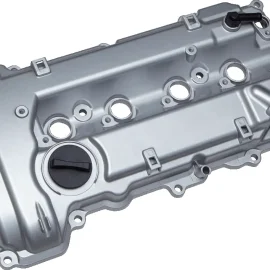
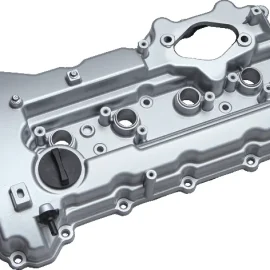
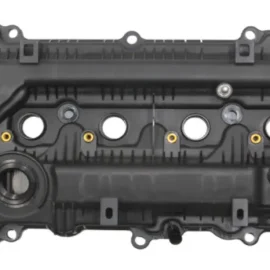
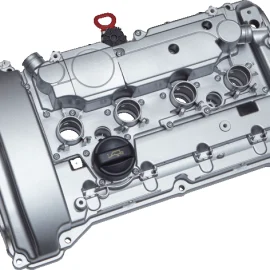
Somos proveedores profesionales de tapas de válvulas de motor en China. Ofrecemos tapas de válvulas para una variedad de marcas, como Mercedes-Benz, BMW, Ford, y más. Haga clic en el botón para navegar y obtener un presupuesto rápido y gratuito.
Symptoms Of A Leaking Engine Oil Pan Gasket
You must identify obvious signs of a leak to determine which seal in the vehicle has failed.A failed engine oil pan gasket will leave a thick,black oil stain beneath a parked vehicle.Gravity will pull the leaked oil directly under the subframe and onto the plastic fenders,and the oil warning light on the dashboard may come on due to the rapid drop in oil level.A significant amount of sludge will accumulate at the bottom of the transmission case and around the drain plug,and a leak in the engine oil pan gasket will cause the engine to quickly lose the necessary lubrication.
On the other hand,a damaged valve cover gasket will immediately cause a burning smell inside the cabin.Engine oil will drip directly from the top of the cylinder head onto the scorching-hot exhaust manifold,and the burning oil is likely to produce noticeable white smoke in the engine compartment.In addition,oil may seep into the spark plug tubes,causing severe misfires and erratic idling.Inspecting the upper engine components can quickly reveal a damaged valve cover gasket.
Leak Symptom Identification
| Diagnostic Symptom | Leaking Valve Cover Gasket | Leaking Engine Oil Pan Gasket |
|---|---|---|
| Physical Leak Location | Upper engine block sides | Ground underneath vehicle |
| Odors and Smoke | Strong burning smell and smoke | Rare smoke, no burning smell |
| Fallos del motor | Common due to oil in spark plugs | Unlikely to cause misfires |
| Fluid Accumulation | Around cylinder head and exhaust | On oil pan and subframe |
Replacing A Leaking Valve Cover Gasket Safely
Replacing an upper seal usually requires basic hand tools and moderate mechanical patience.
- First,disconnect the battery and remove the plastic engine cover to gain access to the valve cover.
- Next,carefully remove the ignition coil,spark plug wires,and vacuum hoses from the valve cover.Use a plastic scraper and brake cleaner to thoroughly remove all old rubber residue.
- Then,place the new valve cover gasket flat into the plastic grooves.
- Finally,use a calibrated torque wrench to tighten the surrounding bolts in a crisscross pattern.
- Be sure to use the correct torque specifications to prevent over-tightening during installation,which could cause the new valve cover gasket to deform.
How To Replace An Engine Oil Pan Gasket
Replacing a lower pan seal often presents significantly greater mechanical challenges for home mechanics.
- First,safely jack up the vehicle and drain all the engine oil into the oil pan.
- Next,carefully check the clearance beneath the oil pan and around the front subframe.On some vehicles,you may need to raise the engine slightly or remove the front axle crossmember.
- In addition,remove all the oil pan bolts and pry the stamped steel oil pan off the cylinder block.
- Then,scrape off all residual old sealant until a clean metal surface is exposed.
- Before pressing the new oil pan gasket into place,apply new liquid sealant along the edges and corners of the gasket.Reinstall the oil pan bolts securely to permanently secure the new oil pan gasket.Before starting the vehicle,fill the engine with new oil to verify that the leak has been repaired.
Replacement Difficulty and Labor Factors
| Repair Metric | Valve Cover Gasket Replacement | Engine Oil Pan Gasket Replacement |
|---|---|---|
| Average Repair Time | 1 to 2 Hours | 3 to 6 Hours |
| Mechanical Access | Easy access from top engine bay | Difficult access under vehicle |
| Special Tools Needed | Basic sockets and torque wrench | Engine hoist or subframe jacks |
| Fluid Draining Required | No engine oil draining needed | Complete engine oil drain mandatory |
Preventing Future Engine Oil Seal Failures
Regular engine maintenance can significantly extend the service life of all internal automotive seals.Be sure to change the engine oil and oil filter strictly in accordance with the manufacturer’s maintenance schedule.Clean oil removes harmful acidic contaminants that accelerate the aging of rubber seals.
Check the positive crankcase ventilation valve during every engine maintenance service.A clogged PCV valve can cause excessive crankcase pressure inside the engine cylinder block;this high pressure can force engine oil to seep through the valve cover gasket and oil pan gasket.Avoid using highly corrosive chemical engine cleaners,as these can weaken the material of aged rubber seals.
Póngase en contacto con nosotros
- RM901 No.22 Tangjiaqiao Road Wenzhou China
- +86 138 1973 9327
- mailto:[email protected]
- https://www.autosparesupplier.com/
Compartir