
Can You Reuse Intake Manifold Gaskets? Risks & Safety Rules
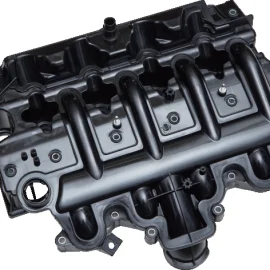
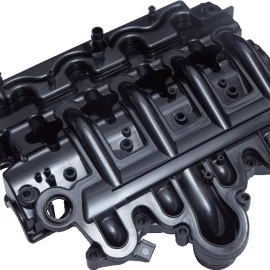
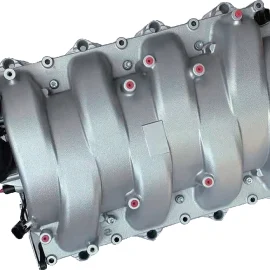
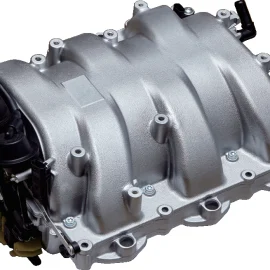
Most mechanics strongly advise against attempting to reuse intake manifold gaskets during engine repair jobs.When you tighten the manifold bolts to the factory specifications,the colector de admisión gasket will be permanently compressed.A compressed gasket cannot form a reliable airtight seal when reinstalled.A vacuum leak will allow unmetered air to enter the intake port,causing the engine to run lean and misfire.Trying to save those thirty dollars will likely result in engine damage down the road—it’s a case of losing the forest for the trees.
When You Must Never Reuse Intake Manifold Gaskets
Gasket Material Types and Reusability Risk Levels
| Gasket Material Type | Initial Sealing Mechanism | Can You Reuse It? | Primary Risk Factor |
|---|---|---|---|
| Paper / Fiber Composite | Soft compression crushes flat | Never (0% Safe) | Immediate vacuum air leaks |
| Molded Plastic Frame | Rigid frame with rubber beads | Never (0% Safe) | Cracks and brittle flange breaks |
| High-Temp Si O-Rings | Elastic rubber ring inserts | Rarely (Conditional) | Hardening and compression set |
| Multi-Layer Steel (MLS) | Embossed metal spring layers | Emergency Only | Surface scratch oil leaks |
Rare Conditions to Reuse Intake Manifold Gaskets Safely
Inspection Checklist Before Reusing Gaskets
| Inspection Criterion | Pass Condition for Reuse | Fail Condition (Replace Immediately) |
|---|---|---|
| Rubber Elasticity | Rubber bounces back when pressed | Rubber feels stiff, hard, or brittle |
| Surface Integrity | Zero scratches, tears, or oil swelling | Cracks, splits, or peeling coatings |
| Compression Profile | Raised sealing bead visible across surface | Completely flattened flush with plastic frame |
| Mileage / Time | Under 100 miles or test-fit only | Over 1,000 miles or heat-cycled months |
Mechanical Risks of Reusing Old Intake Gaskets
Step-by-Step Installation Solutions
Step 1:
Thoroughly clean all aluminum cylinder head sealing surfaces using a plastic scraper and solvent-based cleaner.Be sure not to use a wire brush,as deep scratches on the metal surface will compromise the sealing performance of the new gasket.
Step 2:
Use a precision straightedge and feeler gauge to check the intake manifold flange for warping.Apply a small amount of RTV silicone sealant to the corner joints of the cylinder head.Position the new gasket over the locating pins to prevent it from shifting during manifold installation.
Finally,tighten the manifold bolts in a crisscross pattern according to the manufacturer’s specified torque values. Proper bolt torque prevents the gasket from being compressed and ensures even clamping force across all intake ports.
Financial Comparison: New Gaskets vs Risk Costs
| Cost Category | DIY Replacement with New Gaskets | Risks of Reusing Old Gaskets |
|---|---|---|
| Average Parts Expense | $15 – $50 for new gasket set | $0 upfront cost |
| Potential Repair Expense | $0 (Successful installation) | $300 – $1,500 (Vacuum/misfire repairs) |
| Engine Damage Risk | Minimal to zero risk | High risk of bearing damage from coolant |
| Total Labor Time | 2 – 4 hours once | 4 – 8 hours fixing leaks twice |
Final Decision on Reusing Intake Manifold Gaskets
- RM901 No.22 Tangjiaqiao Road Wenzhou China
- +86 138 1973 9327
- mailto:[email protected]
- https://www.autosparesupplier.com/