
What Sandpaper To Use On Valve Covers?
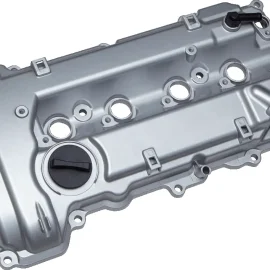
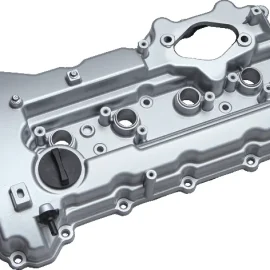
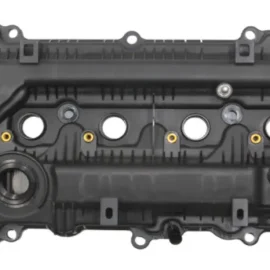
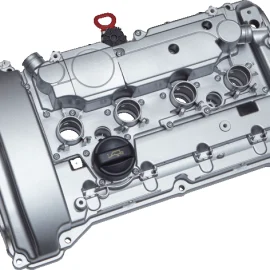
In this professional guide,we’ll clearly explain how to select the right grit.Let’s learn together how to safely prepare your engine components.Restoring the valve cover can significantly improve the appearance of the engine compartment and effectively prevent unexpected mechanical failures during daily driving.
Choosing The Right Sandpaper For Your Valve Cover
Different restoration goals require completely different abrasive automotive tools.Removing severe rust requires very coarse sandpaper,while preparing the bare metal surface for a fresh coat of paint requires medium-grit sandpaper.This medium-grit sandpaper leaves fine scratches on the surface to ensure perfect paint adhesion. Polishing the bare metal to a mirror-like finish requires ultra-fine sandpaper.
Grit Selection Guide
| Refinishing Purpose | Recommended Grit Range | Expected Surface Result |
|---|---|---|
| Heavy Paint Removal | 80 to 120 Grit | Very rough, bare metal |
| Primer Preparation | 220 to 320 Grit | Smooth, ready for primer |
| Final Paint Prep | 400 to 600 Grit | Very smooth, paint ready |
| High Gloss Polishing | 1000 to 2000+ Grit | Mirror finish, ultra smooth |
Obtenga un presupuesto ahora
The Dangers Of Choosing The Wrong Abrasive
On the other hand,if you use 600-grit to remove a thick layer of old paint,not only will it waste several hours of your time,but the fine grit will become clogged with old paint dust almost immediately.Therefore,the wrong choice will waste your valuable time and damage the engine valve cover.
Consequences Of Mistakes
| Mistake Made | Consecuencia inmediata | Required Repair Action |
|---|---|---|
| Using Grit Too Coarse | Deep gouges in the metal | Resand with medium grit |
| Using Grit Too Fine | Paper clogs instantly | Switch to aggressive grit |
| Skipping Grit Stages | Uneven and dull finish | Restart the entire process |
Prepping A Valve Cover With Sandpaper Properly
So,how do you properly sand a valve cover with sandpaper?First,thoroughly remove any thick layers of engine oil from the metal surface.Next,use your chosen sandpaper to sand the surface evenly.When sanding,always move in straight,even,and smooth strokes.This will prevent unsightly circular scratches from forming on the valve cover.
Wet Sanding VS Dry Sanding
Dry sanding can quickly and effectively remove thick layers of material,but it continuously generates large amounts of harmful dust.Wet sanding uses soapy water to thoroughly lubricate the paper;the soapy water quickly washes away loose metal particles and prevents the paper from clogging during the sanding process.
As a professional valve cover manufacturer in China,we recommend using wet sanding for the final sanding stage.This wet sanding technique ensures a perfectly smooth surface on the valve cover.By using water and fine-grit sandpaper,you can achieve a professional-grade,glass-like finish.Please note that during the polishing stage,it is essential to keep the paper completely wet at all times.
| Sanding Method | Best Application Stage | Beneficio principal |
|---|---|---|
| Dry Sanding | Initial heavy stripping | Extremely fast material removal |
| Wet Sanding | Final smoothing prep | Stops paper from clogging |
| Scuff Pads | Reaching tight corners | Bends around complex curves |
Final Tips For Your Sanding Valve Cover
Póngase en contacto con nosotros
- RM901 No.22 Tangjiaqiao Road Wenzhou China
- +86 138 1973 9327
- mailto:[email protected]
- https://www.autosparesupplier.com/