
What Size Generator For 30 AMP RV Air Conditioner?
Selecting the correct generator size for a 30 amp RV air conditioner ensures reliable cooling during off-grid camping trips.An RV’s air conditioning system continuously consumes a large amount of electricity.Choosing a generator with insufficient power can cause frequent circuit breakers to trip and damage the precision compressor motor.
Modern 30-amp recreational vehicles can have a total power consumption of up to 3,600 watts,so your portable generator must be able to handle both the high surge power during startup and the continuous operating load.We’ll calculate the exact power required for off-grid RV cooling and walk you through how to choose the right generator for your camping needs.
Understanding Your 30 Amp RV Air Conditioner Power Draw
A standard 30 amp RV air conditioner uses either 13,500 BTU or 15,000 BTU cooling capacity.Operating these air conditioners involves two different power metrics:operating power and startup power.A typical 13,500 BTU air conditioner has a continuous operating power of approximately 1,250 to 1,500 watts,while a 15,000 BTU unit ranges from 1,500 to 1,800 watts.Start-up power requires a massive instantaneous current surge;the compressor can draw as much as 3,500 watts of start-up power when it begins operating.Therefore,your power supply must be able to withstand this initial current surge without causing the compressor to shut down.
Air Conditioner Wattage Specifications
| RV AC BTU Rating | Running Wattage Range | Starting Wattage Range | Minimum Amps Needed |
|---|---|---|---|
| 13,500 BTU Unit | 1,250 – 1,500 Watts | 2,800 – 3,100 Watts | 11 – 13 Amps |
| 15,000 BTU Unit | 1,500 – 1,800 Watts | 3,300 – 3,500 Watts | 13 – 15 Amps |
| Dual AC Setup (Soft Start) | 2,800 – 3,200 Watts | 4,000 – 4,500 Watts | 24 – 28 Amps |
Determining Proper Generator Size For RV Cooling
Calculating the optimal generator size depends on total electrical appliance usage inside your camper berth.A 2,000-watt generator cannot power a standard 15,000 BTU,30-amp RV air conditioner on its own;the high-voltage surge that occurs when the compressor starts will immediately trigger the generator’s overload protection circuit.A 3,500-watt inverter generator can safely provide approximately 3,000 watts of continuous power.For most campers,a 3,500- to 4,000-watt inverter generator is the ideal choice.You can run the rooftop air conditioner and charge the RV battery at the same time.Inverter generators provide clean power,protecting the vehicle’s sensitive electronics from damage caused by voltage spikes.
Recommended Generator Sizes and Appliance Capacities
| Generator Wattage | Running Output | AC Compatibility | Additional Appliance Capacity |
|---|---|---|---|
| 2,200 Watts | 1,800 Watts | 13.5k BTU (Soft Start Required) | Lights and phone chargers only |
| 3,500 Watts | 3,000 Watts | Single 13.5k or 15k BTU AC | Fridge, TV, and LED lighting |
| 4,500 Watts | 3,700 Watts | Single 15k BTU AC (Full Load) | Microwave, fridge, and outlets |
Get A Quote Now
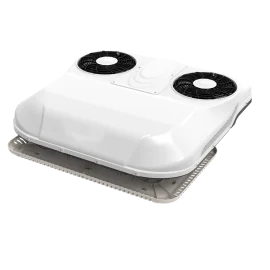
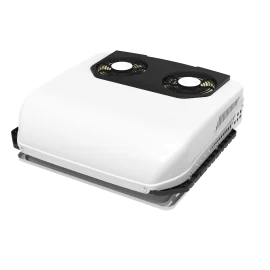
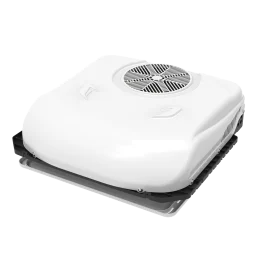
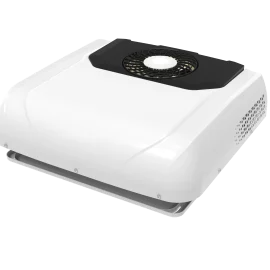
We offer parking heaters and parking coolers in a variety of colors.Get a free, fast quote today.As a direct original equipment manufacturer,we further reduce your costs.Eliminate middlemen and brand premiums,cutting out additional layers of intermediary.We have the item in stock and can pack and ship it at any time.
Starting Watts vs Running Watts In A 30 Amp RV Air Conditioner
Managing power consumption requires balancing the inrush current during startup with the continuous operating load.The power required to start a motor is three times the continuous operating power.Electric air conditioning compressors draw a massive current at the moment of startup.
Operating other onboard appliances also consumes a portion of the alternator’s available capacity.For example,an RV refrigerator and battery inverter consume approximately 400 watts of power continuously.If you turn on a microwave and a 30-amp RV air conditioner at the same time,it will overload a small alternator. Therefore,choosing a higher-wattage alternator provides the necessary margin for simultaneous use of multiple appliances in an off-grid environment.
How Soft Starters Reduce Required Generator Size
Installing an aftermarket soft starter device dramatically decreases your required generator size for camping.A soft starter smooths out the initial current peak when the compressor motor starts,thereby reducing the startup power surge by up to 65%.It also reduces the compressor’s startup surge power from 3,500 watts to 1,800 watts.You can easily power a 30-amp RV air conditioner using a compact 2,200-watt generator.
Not only that,but the lower starting current also reduces thermal stress on the compressor,extending its service life.Installing a soft starter is a cost-effective and space-saving alternative to purchasing a large generator.
Impact of Soft Starter Installation
| System Configuration | Compressor Starting Surge | Minimum Generator Size Needed | Total Setup Weight |
|---|---|---|---|
| Standard Factory AC | 3,300 – 3,500 Watts | 3,500 – 4,000 Watt Inverter | 90 – 110 Pounds |
| AC with Soft Starter | 1,500 – 1,800 Watts | 2,200 – 2,500 Watt Inverter | 45 – 55 Pounds |
Essential Generator Setup Solutions For RV Owners
Proper placement and wiring of the generator are key to ensuring electrical safety at the campsite.Be sure to place the portable gas generator at least 20 feet (about 6 meters) away from your parked vehicle to prevent dangerous carbon monoxide fumes from entering the living area.
Additionally,use a dedicated 30-amp RV adapter cord to connect directly to the vehicle’s power outlet.Before turning on the air conditioner,switch the water heater to propane mode.This will conserve valuable electricity,which can then be dedicated to the 30-amp RV air conditioner.Also,check the generator’s oil level daily to ensure the engine runs smoothly outdoors.
Contact Us Now
- RM901 No.22 Tangjiaqiao Road Wenzhou China
- +86 138 1973 9327
- [email protected]
- https://www.autosparesupplier.com/
Share