
What Should Be Done If The Magnesium Valve Cover is Corroded?
You might feel worried if your magnesium valve cover is corroded,but several solutions can fix this common problem.Magnesium is a popular material in high-performance engines due to its extremely light weight.However,compared to aluminum or steel,this metal is also highly reactive.When moisture and chemicals erode the surface,the metal begins to oxidize and flake off.If neglected,corrosion can lead to oil leaks or even internal engine damage.We will analyze the causes of this issue in vehicles,repair methods,and replacement options for you.
Get A Quote Now
Why Your Magnesium Valve Cover is Corroded?
Understanding the root cause is the first step when your magnesium valve cover is corroded.Magnesium reacts violently with oxygen and moisture,especially when the protective function of factory coatings fails.Once the paint surface shows minor flaking,corrosion rapidly spreads beneath the surface.This process forms a white powdery substance known as magnesium oxide.
Road Salt and Winter Chemicals
If you live in a cold climate,road salt is the number one enemy of your engine.As an electrolyte,salt significantly accelerates oxidation.When salt-laden slush splashes onto the hot engine surface,it creates an ideal environment for pitting corrosion.The result is that the metal surface quickly becomes rough and uneven.
Galvanic Corrosion Issues
When two dissimilar metals come into contact in a humid environment,electrochemical corrosion occurs.For example,steel bolts securing magnesium covers may trigger a chemical reaction.Magnesium,acting as a “sacrificial anode,”releases substances to the steel.Consequently,the most severe damage often appears around bolt holes and gasket mating surfaces.
Common Causes of Magnesium Valve Cover is Corroded
| Cause | Description | Speed of Damage |
|---|---|---|
| Road Salt | Chemical reaction with salt and water | Very Fast |
| Paint Failure | Exposed metal reacting with oxygen | Moderate |
| Galvanic Action | Contact with steel bolts or washers | Constant |
| Engine Heat | Thermal cycling weakening the bond | Slow |
| Degreasers | Harsh cleaning chemicals stripping protection | Fast |
The Danger When a Magnesium Valve Cover is Corroded
When corrosion occurs on magnesium alloy valve covers,this condition must not be ignored.Once pitting forms on the metal surface,gaskets can no longer seal effectively,leading to persistent oil leaks.Oil may drip onto high-temperature exhaust components.
Furthermore,during maintenance,debris from corroded metal may enter oil passages.These hard particles can clog oil lines or damage camshaft lobes.Consequently,addressing corrosion promptly effectively safeguards the entire engine from costly mechanical failures.
Impact on Resale Value and Aesthetics
A filthy white engine compartment can significantly devalue a vehicle.Potential buyers often interpret corrosion as a sign of overall poor maintenance.Beyond mechanical risks,it looks unprofessional and disorganized.Keeping the engine bay clean not only preserves the vehicle’s value but also ensures repairs and maintenance proceed smoothly.
What to Do When Your Magnesium Valve Cover is Corroded
If corrosion damage is not severe,the affected areas of magnesium alloy valve covers can be repaired.This process requires careful execution using materials specifically formulated for reactive metals.Simply covering corrosion with ordinary spray paint will not provide lasting durability.Follow these professional steps to restore the surface and prevent future oxidation:
Step 1:Deep Cleaning and Stripping
First,the engine cover must be removed.Use a plastic scraper to remove the old gasket and any loose paint flakes.Subsequently,clean the metal surface using a blasting machine loaded with walnut shells or glass beads.Avoid using coarse wire brushes,as they may embed steel particles into the magnesium alloy,which will only lead to more severe electrochemical corrosion later on.
Step 2:Chemical Conversion Coating
After cleaning,exposed magnesium metal requires a chemical conversion coating treatment,such as using “Alodine.” This process forms a thin protective layer on the metal surface,preventing the metal from reacting with air while providing a “bonding substrate” for the primer to adhere to.Omitting this step will likely cause the new coating to peel off within months.
Step 3:Priming and Painting
Use a high-quality zinc chromate primer specifically formulated for magnesium or aluminum substrates.After the primer has dried,complete the surface finish with a high-temperature resistant engine paint or powder coating.Powder coating is typically the optimal choice for achieving long-term durability,as it forms a thick, plastic-like protective layer that effectively resists salt corrosion and high-temperature environments.
Repair Method Comparison
| Method | Effort Level | Durability | Best For |
|---|---|---|---|
| Sand & Spray | Low | 6 – 12 Months | Temporary Fix |
| Chemical Treatment | Moderate | 2 – 4 Years | Serious DIYers |
| Professional Powder Coat | High | 5 – 10 Years | Restoration / Performance |
| Cerakote Coating | High | 10+ Years | Extreme Heat/Racing |
What to Do When Your Magnesium Valve Cover is Corroded Beyond Repair
Sometimes,the damage is too severe to fix when a magnesium valve cover is corroded.If the pitting has reached the gasket channel,the cover will never seal again.In these cases,you must look for a replacement to ensure your engine stays oil-tight.You have a few different paths depending on your budget and the type of vehicle you drive.
Buy a New OEM Magnesium Cover
Buying a genuine replacement from the dealer ensures a perfect fit.However,these parts are often very expensive and will eventually corrode again.If you choose this route,consider adding a ceramic coating to the new part before installation.This adds an extra layer of defense against the elements.
Switch to an Aluminum Aftermarket Cover
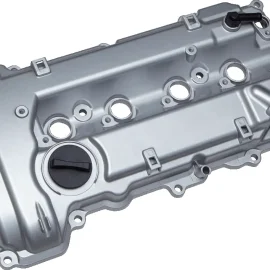
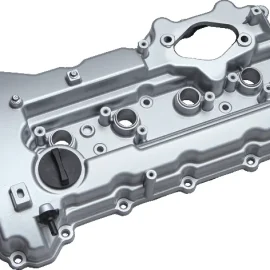
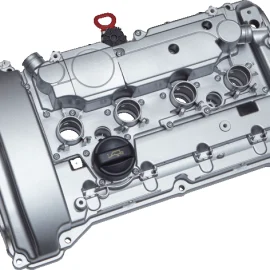
We are a professional Chinese engine valve cover manufacturer specializing in producing cast aluminum versions of popular magnesium alloy covers.Aluminum offers superior corrosion resistance and is typically more cost-effective than magnesium alloy.While aluminum is slightly heavier,this difference is negligible for most everyday drivers.For long-term reliability,it often proves to be the most practical solution.
Magnesium vs. Aluminum Replacement
| Feature | Magnesium | Aluminum |
|---|---|---|
| Weight | Ultra-lightweight | Slightly heavier |
| Corrosion Resistance | Poor (Reactive) | Excellent |
| Cost | High | Moderate |
| Heat Dissipation | Very Good | Good |
| Durability | Fragile/Soft | Strong/Durable |
Preventing Future Corrosion Issues
After resolving corrosion issues with magnesium alloy valve covers,proper maintenance is essential.Every few months,apply a thin layer of engine-specific wax or spray sealant to the cover surface.This simple step allows water droplets to bead and roll off rather than pool and react.Additionally,always adhere to the correct torque values when tightening bolts.Over-tightening can cause paint cracking around bolt holes,leading to moisture intrusion.Finally,thoroughly clean the engine compartment after winter to remove any residual road de-icing agents.
Contact Us Now
- RM901 No.22 Tangjiaqiao Road Wenzhou China
- +86 138 1973 9327
- [email protected]
- https://www.autosparesupplier.com/