
Can I Fix Valve Cover Leak Temporarily With A “Sealant”?
Many drivers ask how to fix valve cover leak temporarily using a simple chemical sealant.A engine valve cover leak creates dirty engine blocks and dangerous fire risks very quickly.Furthermore,losing engine oil damages internal metal bearings permanently.Today,we will explore temporary sealant repairs deeply.Specifically,we will examine both gasket failures and physical cover damage carefully.Next,we will provide clear action steps for you.
Understanding Your Valve Cover Leak Mechanics
There are two main types of leaks that commonly occur in engine valve covers.Leaks in the valve cover gasket are very common.Over time,the soft rubber seal hardens completely and shrinks.As a result,hot fluid seeps out from the edges of the brittle rubber.
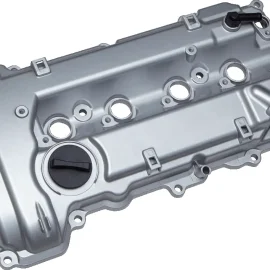
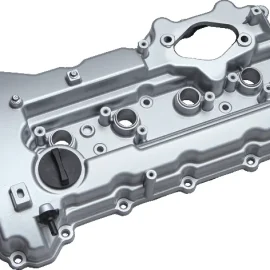
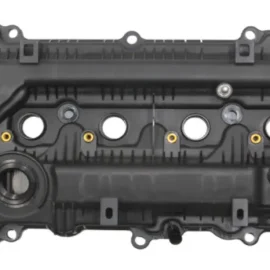
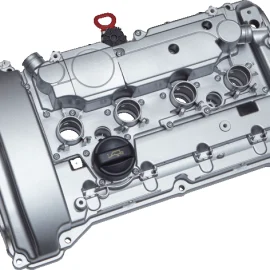
The plastic or metal valve cover itself may crack.The engine’s continuous thermal cycling eventually causes the material to deform.In some cases,severe engine vibration can even cause the plastic housing to crack completely.
Can Sealant Fix Valve Cover Leak Temporarily?
Yes, you can use a sealant for emergency repairs.However,you must have realistic expectations regarding the vehicle’s mechanical performance.For a vehicle’s engine,a sealant can only provide a temporary fix.You can fix valve cover leak temporarily to reach a professional mechanic safely.High-temperature RTV silicone acts as a decent external patch.First,you must clean the oily surface perfectly.Chemical sealants cannot stick to wet,greasy metal.Therefore,use brake cleaner to dry the area completely.Then,apply a thick bead of silicone over the crack.
Sealant Effectiveness Based on Leak Type
| Engine Leak Source | Sealant Success Rate | Estimated Temporary Lifespan |
|---|---|---|
| Tiny Gasket Seep | Moderate | 1 to 2 Weeks |
| Blown Rubber Gasket | Zero | Fails Immediately |
| Hairline Plastic Crack | High | 2 to 4 Weeks |
| Loose Metal Bolts | Zero | Fix Bolts Instead |
Get A Quote Now
Managing a Valve Cover Gasket Leak Safely
The pressure inside the engine can sometimes exert intense force on rubber gaskets.As a result,applying silicone sealant to the outer edges rarely provides a lasting solution.The high-temperature engine oil will eventually melt through the outer layer of the sealant.However,you can use sealant when performing a complete gasket replacement.Mechanics typically apply a small amount of sealant to the sharp corners of the gasket.This specific method effectively seals the sharp corners of the engine block.Never use sealant as a substitute for a new rubber gasket.This shortcut often leads to severe oil leaks.
Addressing a Physical Cover Crack Directly
Sometimes,the actual plastic engine housing cracks down the middle.This structural failure causes a massive oil mess very quickly.Fortunately,RTV silicone patches these specific hairline cracks quite well.You must drain the oil away from the crack first.Next,scuff the plastic with rough sandpaper gently.This preparation helps the liquid silicone grab the plastic tightly.Apply the sealant firmly into the broken plastic crevice.You will successfully fix valve cover leak temporarily using this exact method.However,thermal expansion will eventually break this patch again.
Steps to Prep a Surface for Sealant
| Prep Step | Required Tool | Purpose of the Action |
|---|---|---|
| 1. Cool Engine | Time | Prevents severe skin burns |
| 2. Degrease | Brake Cleaner | Removes slick oil residue |
| 3. Scuff Surface | Sandpaper | Creates microscopic gripping grooves |
| 4. Wipe Clean | Microfiber Cloth | Removes leftover sanding dust |
The Problem With Loose Engine Bolts
Many drivers automatically assume that a rubber seal has failed whenever they encounter an oil leak.However,in reality,many oil leaks are caused entirely by loose mounting bolts,and this process often occurs silently.Over time,engine vibrations gradually loosen these tiny metal fasteners.Before applying chemical sealant,be sure to check the tightness of the bolts.Have a small torque wrench on hand and gently tighten the bolts.Always strictly follow the manufacturer’s specified torque values.Never over-tighten these delicate metal bolts.Over-tightening can cause the bolts to break or the plastic housing to crack.In most cases,simply tightening the bolts is enough to completely stop the leak without using chemical sealant.
Choosing the Best Automotive Sealant Products
Never use household bathroom sealant on a hot car engine.For severe cylinder head gasket leaks,always use automotive-grade RTV silicone.Look for products that are explicitly labeled as suitable for high-temperature environments.Black or gray RTV silicone offers the best oil resistance.Carefully read the exact curing time on the packaging.Driving the car too soon will cause the uncured sealant to be squeezed out immediately.
Recommended Emergency Sealant Types
| Sealant Type | Best Engine Application | Max Temperature Limit |
|---|---|---|
| Black RTV Silicone | Maximum Oil Resistance | Up to 500°F |
| Grey RTV Silicone | High Torque Resistance | Up to 450°F |
| Copper RTV Silicone | Extreme Heat Areas | Up to 700°F |
| Epoxy Putty | Large Plastic Cracks | Up to 300°F |
Moving Toward a Permanent Mechanical Solution
Every driver must remember one critical automotive rule always.You only fix valve cover leak temporarily to buy brief time.A chemical patch will never last for years safely.A valve cover gasket leak eventually requires fresh rubber parts absolutely.Furthermore,a cracked plastic housing requires a completely new unit.Ignoring the core problem leads to total engine failure quickly.Leaking oil destroys serpentine belts and causes scary electrical fires.Therefore,order your permanent replacement parts immediately today.Schedule an afternoon to fix your car engine correctly.
Contact Us Now
- RM901 No.22 Tangjiaqiao Road Wenzhou China
- +86 138 1973 9327
- [email protected]
- https://www.autosparesupplier.com/