
Valve Cover Leaking After New Gasket?The 5 Hidden Causes
A valve cover leaking after new gasket replacement is a frustrating problem for many vehicle owners.You spent time and money on a repair.However,the oily mess remains on your engine.Consequently,you might think the new part is defective.In reality,the issue often lies deeper than just the rubber seal.This article explores why leaks persist and how to fix them.
The Most Common Reason for a Valve Cover Leaking After New Gasket
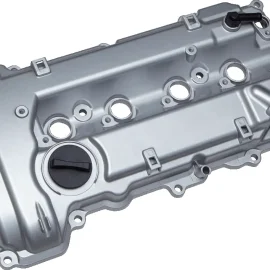
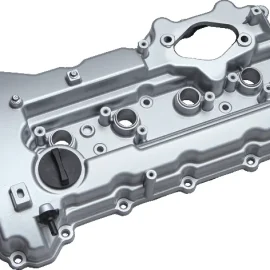
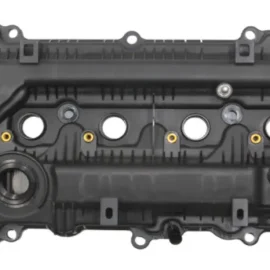
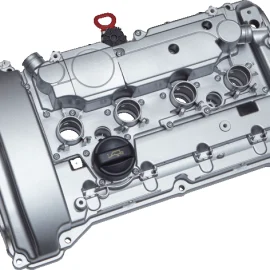
The most frequent culprit is a warped or cracked housing.Modern engines often use plastic or composite covers.These materials endure extreme heat cycles constantly.Over time,the plastic can warp or develop hairline fractures.
Check the seams created by vibration friction welding.If the housing is not flat,the new gasket cannot seal properly.Therefore,your valve cover leaking after new gasket might be a hardware failure.You must inspect the cover on a flat surface like glass.If it rocks,you must replace the entire unit.
High Internal Pressure Causes a Valve Cover Leaking After New Gasket
Check the internal baffles inside the cover for sludge.If the baffles are blocked,oil cannot drain back properly.Therefore,always test or replace your PCV valve during a gasket change.
Why New Gaskets Fail
| Potential Cause | Description | Impact Level |
|---|---|---|
| Warped Housing | The cover is no longer perfectly flat. | Critical |
| Clogged PCV Valve | Excessive internal pressure blows out the seal. | High |
| Improper Torque | Bolts are too loose or too tight. | High |
| Surface Scratches | The cylinder head has metal gouges. | Moderate |
| Poor Cleaning | Old gasket material prevents a flush fit. | Moderate |
Get A Quote Now
Improper Installation Leading to a Valve Cover Leaking After New Gasket
When to Use RTV Silicone to Fix a Valve Cover Leaking After New Gasket
Diagnosis Checklist
| Step | Action | Success Indicator |
|---|---|---|
| 1 | Inspect the PCV Valve | Valve rattles when shaken. |
| 2 | Check Cover Flatness | No gaps when placed on glass. |
| 3 | Verify Torque | Bolts meet factory lb-in specs. |
| 4 | Clean Surface | Metal is shiny and oil-free. |
| 5 | Look for Cracks | No visible fractures near bolt holes. |
Surface Damage and a Valve Cover Leaking After New Gasket
Sometimes,previous repairs leave deep scratches on the cylinder head.These gouges act like tiny tunnels for oil.If you find deep scratches,a simple gasket might not suffice.You may need a thin,uniform layer of high-quality sealant.
Additionally,ensure the gasket is seated correctly in the cover groove.If it slips out during installation,a leak is guaranteed.Therefore,take your time during the final placement.A valve cover leaking after new gasket is often the result of rushing.
Understanding Material Differences in Valve Covers
Valve covers are manufactured using a variety of materials,including aluminum,magnesium,and plastic.Although aluminum valve covers are durable,they may warp when overheated.Plastic valve covers,while lightweight,are prone to cracking and thermal degradation.If your vehicle has high mileage,the plastic can become brittle.As a result,fine cracks may form in the bolt holes when subjected to tensile stress.This can cause the valve cover to leak even if you’ve gone to great lengths to install a new gasket.In such cases,it is essential to replace the valve cover with a brand-new aftermarket or OEM unit.
Material Pros and Cons
| Material | Durability | Heat Resistance | Common Failure |
|---|---|---|---|
| Plastic / Composite | Low | Moderate | Cracking / Warping |
| Die-Cast Aluminum | High | High | Gasket degradation |
| Magnesium | Moderate | High | Corrosion at edges |
Final Steps to Stop a Valve Cover Leaking After New Gasket
Contact Us Now
- RM901 No.22 Tangjiaqiao Road Wenzhou China
- +86 138 1973 9327
- [email protected]
- https://www.autosparesupplier.com/