
What Is a PCV Valve Cover and What Are Its Pros and Cons?
The Core Functions of a PCV Valve Cover
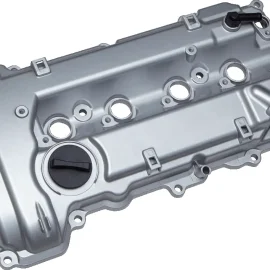
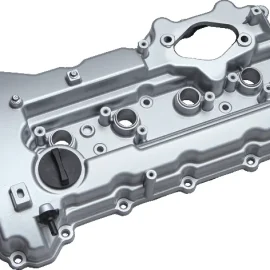
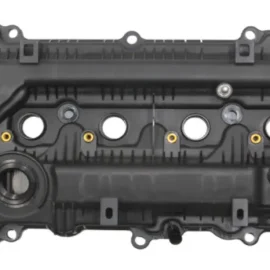
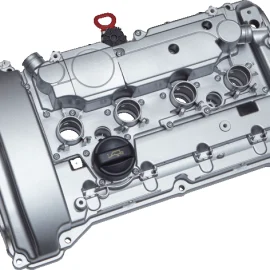
We refer to the component that integrates the PCV valve directly into the engine valve cover as the PCV valve cover.This ingenious design incorporates complex internal plastic baffles.First,these intricate baffles effectively capture high-temperature engine oil vapors.Second,they separate the heavy oil from the hot air.The liquid oil safely drips back into the engine,while the clean gas flows smoothly into the intake manifold.
Get A Quote Now
Pros of an Integrated PCV Valve Cover
| Engineering Advantage | Direct Benefit to the Vehicle | Long-Term Impact |
|---|---|---|
| Emission Control | Burns toxic blow-by gases | Passes government inspections easily |
| Compact Layout | Saves engine bay space | Makes general maintenance easier |
| Vacuum Creation | Pulls oil seals inward tightly | Prevents exterior oil leaks permanently |
| Sludge Prevention | Removes internal water moisture | Increases total engine lifespan heavily |
Cons of an Integrated PCV Valve Cover
Furthermore,the complex internal plastic baffles are highly prone to clogging over time.Thick carbon deposits can permanently block the narrow air passages.It is simply impossible to effectively clean these sealed internal plastic channels.
Cost Comparison: Old PCV vs Integrated PCV
| System Type | Average Part Cost | Required Labor Time | Total Repair Expense |
|---|---|---|---|
| Old External PCV Valve | $5 to $15 | 5 Minutes | Very Low |
| Modern PCV Valve Cover | $150 to $400 | 1 to 3 Hours | Very High |
| Dealership Replacement | $300 to $600 | 2 to 4 Hours | Extremely High |
Common Symptoms of PCV System Failure
Should you hear a high-pitched whistling sound nearby,it indicates that trapped high-pressure gas is violently escaping.
You may notice multiple oil leaks suddenly appearing on the engine;the internal pressure buildup can cause the soft rubber engine seals to burst completely.
If your car experiences very erratic idling on a daily basis,a ruptured internal diaphragm can cause a severe vacuum leak in the intake system.As a result,a large amount of unmetered outside air will suddenly rush into the intake manifold.Consequently,the yellow “Check Engine” warning light on the dashboard will illuminate.
Why Does the PCV Valve Cover Fail Over Time?
The continuous thermal cycling of the engine naturally weakens the strength of the hard plastic housing.Failure to change the oil on schedule can also quickly lead to serious system failures.Dirty,degraded oil rapidly generates large amounts of carbon deposits.These thick deposits continuously flow upward into the PCV valve cover,permanently clogging its internal precision oil separator baffles.
Furthermore,extremely cold winter weather can easily cause moisture inside the engine to freeze.Hard ice can block tiny air passages and cause the plastic housing to crack.Strict,regular maintenance can completely prevent these costly mechanical failures.
Common Causes of Failure and Prevention Strategy
| Root Cause of Failure | Mechanical Result | Professional Prevention Strategy |
|---|---|---|
| High Engine Heat | Warps the plastic housing entirely | Check coolant levels regularly always |
| Dirty Motor Oil | Creates heavy carbon sludge | Change oil every 5,000 miles |
| Freezing Weather | Ice blocks tiny air passages | Take longer highway drives weekly |
| Torn Diaphragm | Massive engine vacuum air leak | Replace housing at 100,000 miles |
Actionable Solutions and Repair Strategies
You can easily and systematically resolve these frustrating issues.Use a professional smoke machine to pinpoint the exact location of the problem.The smoke effectively reveals hidden vacuum leaks around the plastic housing.If the internal rubber diaphragm is damaged,do not attempt a cheap,temporary fix.You must purchase a brand-new PCV valve cover immediately.
Be sure to choose high-quality replacement parts to ensure the vehicle’s long-term reliability.During this repair,be sure to replace the outer rubber gasket.A brand-new rubber gasket ensures that the engine block remains completely dry.
Finally,once the repair is complete,we recommend that you immediately replace the contaminated engine oil.Fresh synthetic oil will flush out any sludge residue inside the engine.
Contact Us Now
- RM901 No.22 Tangjiaqiao Road Wenzhou China
- +86 138 1973 9327
- [email protected]
- https://www.autosparesupplier.com/