
Can I Use WD-40 To Clean The Intake Manifold?
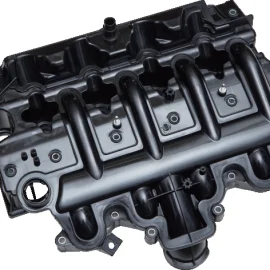
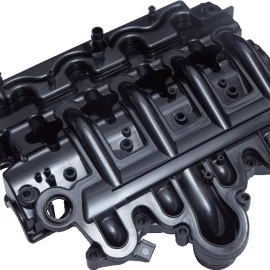
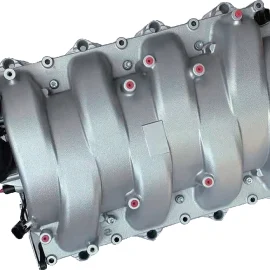
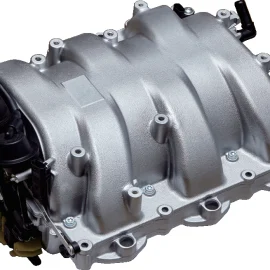
Many car owners ask whether WD-40 can be used effectively to clean the intake manifold at home.We will distinguish between internal and external cleaning and highlight the dangerous consequences of misusing WD-40 internally.
What Exactly Is WD-40?
Before you clean the intake manifold,you must understand chemicals.The name literally stands for Water Displacement,40th formula successfully.Originally,engineers created WD-40 to prevent rust on space rockets.It is primarily used to remove moisture and lubricate seized metal parts;its composition includes light petroleum fractions and specific heavy mineral oils.
Consequently,it leaves a very thin, oily film behind always.This oily film protects bare metal from aggressive water corrosion.However,it is absolutely not a heavy-duty carbon removal solvent.You must remember this critical chemical fact during engine repairs.It will not dissolve baked carbon deposits effectively at all.
Using WD-40 To Clean The Intake Manifold Externally
You can safely use WD-40 on the external metal housing.Engine bays collect massive amounts of grease and road dirt.Therefore,spraying the outside metal surfaces works incredibly well today.The light solvent breaks down surface grease safely and quickly.Next,you wipe the dirty exterior with a microfiber towel.It leaves the outside looking very shiny and completely new.
External Engine Bay Cleaning Guide
| Surface Type | Safe to Use WD-40? | Expected Detail Result |
|---|---|---|
| External Manifold | Yes | Removes light surface grease well |
| Engine Valve Cover | Yes | Shines and cleans safely |
| Electrical Plugs | Yes | Displaces trapped water effectively |
Get A Free Fast Quote
Severe Risks When You Clean The Intake Manifold Internally
Never use WD-40 to clean the inside of the intake manifold.Doing so will quickly cause severe engine damage.Thick,baked-on carbon deposits have accumulated inside the intake manifold passages.WD-40 lacks the powerful chemical solvents needed to dissolve these deposits;it can only soften the surface layer.
This sticky,wet carbon will fall directly into the engine.The heavy carbon deposits will damage the engine’s precision valves and piston rings.Furthermore,engines rely on a precise air-fuel ratio to operate.Spraying WD-40 into the intake manifold will significantly alter this mixture ratio,causing your engine to misfire and run extremely rough.
How WD-40 Destroys Vital Engine Sensors
Modern vehicles use extremely sensitive internal airflow sensors.The manifold absolute pressure (MAP) sensor is located directly inside the intake manifold.If the intake manifold is flushed with oil,the sensor will be damaged. WD-40 leaves a permanent,sticky film on these precision sensors.This can prevent the sensors from accurately reading intake pressure,causing the engine malfunction indicator light on the dashboard to illuminate immediately.Replacing these damaged electronic sensors can cost hundreds of dollars.Furthermore,the oily residue quickly attracts new dust,leaving the engine even dirtier than before.
Catastrophic Consequences of Internal Misuse
| Internal Engine Component | Specific Misuse Consequence | Estimated Repair Cost |
|---|---|---|
| MAP Pressure Sensor | Coats the delicate sensor blindly | Very High |
| Internal Throttle Plate | Attracts fresh sticky dirt instantly | Moderate |
| Engine Spark Plugs | Causes severe engine misfire events | Low |
The Right Way To Clean The Intake Manifold Safely
You’ll need to purchase a specialized throttle body or intake valve cleaner,which can dissolve stubborn carbon deposits.These specialized cleaners will evaporate completely,leaving no residue behind.First,you must carefully remove the plastic intake hose.Next,spray the specialized cleaner onto a clean cloth.Then,gently wipe the inside of the throttle body and the inner walls of the intake manifold.Never spray the thick liquid directly into the engine block.This precautionary measure is completely safe and prevents dangerous engine flooding.
Removing Parts To Clean The Intake Manifold Perfectly
If there is severe carbon buildup inside,the entire intake manifold must be removed.Sometimes,simply wiping it down is not enough to clear a completely blocked intake passage.The metal manifold must be removed from the engine block.Next,soak the removed metal parts in a powerful degreaser.This method safely and thoroughly dissolves carbon deposits that have accumulated over many years.Never soak any plastic sensor components in these potent chemicals.Afterward,rinse the metal parts with high-pressure water.Finally,blow-dry the entire metal assembly with compressed air.
Proper Chemicals for Automotive Engine Cleaning
| Specific Chemical Product | Primary Cleaning Purpose | Leaves A Messy Residue? |
|---|---|---|
| WD-40 Spray | Rust prevention and light lube | Yes (Sticky Oily Film) |
| Throttle Body Cleaner | Dissolves internal hard carbon | No (Evaporates Fast) |
| Non-Chlorinated Brake Cleaner | Degreases bare external metal | No (Evaporates Fast) |
Long-Term Benefits Of A Clean Engine System
Your vehicle will regain its original engine power.Clean air intake passages ensure that as much oxygen as possible enters the cylinders.You will experience a smoother idle.
Fuel economy at high speeds will improve significantly.The engine control unit can precisely mix clean air with gasoline.You will save on fuel costs.
Contact Us Now
- RM901 No.22 Tangjiaqiao Road Wenzhou China
- +86 138 1973 9327
- [email protected]
- https://www.autosparesupplier.com/