
Intake Manifold VS Exhaust Manifold:What's The Difference?
Understanding the intake manifold vs exhaust manifold debate starts with basic engine breathing mechanics. Every combustion engine needs fresh oxygen to create power.The engine pulls clean air inside and pushes dirty gases outside.These two distinct tubular components manage this exact continuous breathing cycle.
Intake Manifold VS Exhaust Manifold:Understanding Basics
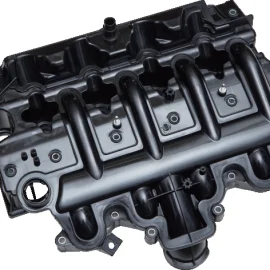
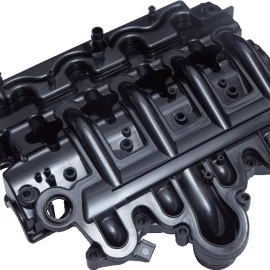
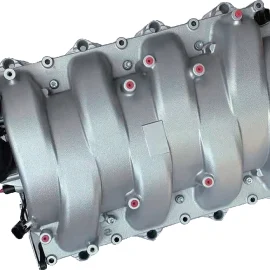
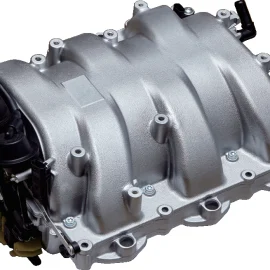
The intake manifold safely distributes fresh outside air to the engine cylinders and effectively mixes this clean air with the injected fuel.In contrast, the exhaust manifold collects the extremely hot combustion exhaust gases from these cylinders and then directs these harmful emissions to the vehicle’s catalytic converter.
These key components play diametrically opposed roles in the combustion process.Specifically,one is responsible for handling cold intake air, while the other handles hot exhaust gases.
Core Mechanical Differences
| Component | Main Function | Typical Operating Temperature | Primary Material |
|---|---|---|---|
| Intake Manifold | Delivers fresh air | Low to Medium | Composite Plastic or Aluminum |
| Exhaust Manifold | Removes burnt gases | Extremely High | Cast Iron or Stainless Steel |
Intake Manifold VS Exhaust Manifold:Material & Design Differences
Modern intake manifolds primarily feature lightweight composite plastics.This special plastic material stays cool and maximizes incoming air density.
Exhaust systems endure extreme internal thermal stress constantly.Manufacturers cast them from thick iron or heavy-duty metal alloys.This robust metal construction prevents sudden melting or dangerous structural cracking.
Get A Free Fast Quote
We offer intake manifolds for a variety of brands, such as Mercedes-Benz, BMW, Ford, and more. Click the button to browse and get a free, quick quote.
Intake Manifold VS Exhaust Manifold:Upgrading Advantages
Installing a performance intake increases your engine airflow significantly.Your engine burns fuel much more efficiently during heavy acceleration.Smooth internal plastic tubes reduce air friction completely.As a result,you can clearly feel the increase in horsepower and improved throttle response during everyday driving.
Upgrading to tubular exhaust headers expels hot gases much faster.This rapid exhaust flow reduces harmful engine backpressure entirely.High-quality stainless steel headers resist severe rust and corrosion permanently.Your engine breathes easier and runs significantly cooler under heavy loads.
Intake Manifold VS Exhaust Manifold:Mechanical Failure Risks
A cracked plastic tube causes dangerous vacuum leaks immediately.The engine computer adds too much fuel,ruining your gas mileage.Severe dirt and debris can enter the sensitive engine cylinders directly.
A ruptured metal pipe may release toxic carbon monoxide gas.This deadly gas can enter the passenger compartment while you are driving.Furthermore,the high-temperature gas escaping from the leak can easily melt nearby wires and plastic sensors.Not only does this endanger your safety,but it will also prevent the vehicle from passing EPA certification tests.
Common Failure Symptoms
| Hardware System | Common Auditory Symptom | Engine Performance Issue | Dashboard Warning |
|---|---|---|---|
| Intake Leak | High-pitched whistling noise | Rough idling and engine stalling | Check Engine Light on |
| Exhaust Leak | Loud ticking during acceleration | Noticeable loss of engine power | Oxygen Sensor Codes |
Analyzing Intake Manifold VS Exhaust Manifold Failure Symptoms
So what are the warning signs of component failure?Damage to the intake system produces a distinct vacuum whine.It can also cause the engine to idle roughly and stall frequently.
Conversely,a cracked exhaust pipe produces a loud ticking sound during rapid acceleration.It also causes a strong,foul odor of exhaust fumes in the front of the engine compartment.
Troubleshooting Intake Manifold VS Exhaust Manifold Leaks
First,use a professional smoke machine to find intake vacuum leaks safely.The dense smoke escapes through invisible plastic micro-cracks instantly.Next,inspect the heavy iron exhaust pipes for dark black soot marks.This dark carbon buildup indicates a severe exhaust gas leak clearly.Remember,always check the physical condition of the sealing gaskets closely.Broken gaskets cause severe failures in both manifold types very frequently.
Diagnostic and Repair Action Plan
| Diagnostic Target | Testing Method | Required Repair Action | Estimated Cost |
|---|---|---|---|
| Intake Plastic Shell | Smoke machine pressure test | Replace complete plastic unit | Medium to High |
| Exhaust Metal Pipe | Visual black soot inspection | Weld crack or replace pipe | High |
| Sealing Gaskets | Soapy water spray test | Install new rubber or metal seals | Low |
Best Repair Solutions For Both Systems
Be sure to purchase high-quality replacement gaskets from a reputable manufacturer.When installing the hardware,use a calibrated torque wrench,as uneven bolt tension can easily cause new plastic parts to crack.Similarly,loose bolts may cause the new metal exhaust pipe to leak immediately.
Furthermore,in strict jurisdictions such as California,vehicles must fully comply with emissions standards to be legally operated on the road.Finally,reset the vehicle’s main computer to clear all stored engine trouble codes.
Summary of Intake Manifold VS Exhaust Manifold Maintenance
Proactive,regular engine maintenance can completely prevent sudden component failures.You must inspect the intake and exhaust manifolds during your annual vehicle inspection.Replacing worn gaskets early on can help you avoid costly repairs down the road.If you don’t have professional diagnostic tools, be sure to rely on a professional mechanic.Keeping the engine’s airflow unobstructed is key to ensuring its day-to-day reliability.
Contact Us Now
- RM901 No.22 Tangjiaqiao Road Wenzhou China
- +86 138 1973 9327
- [email protected]
- https://www.autosparesupplier.com/
Share