
4 Causes of Oil in Intake Manifold You Must Know
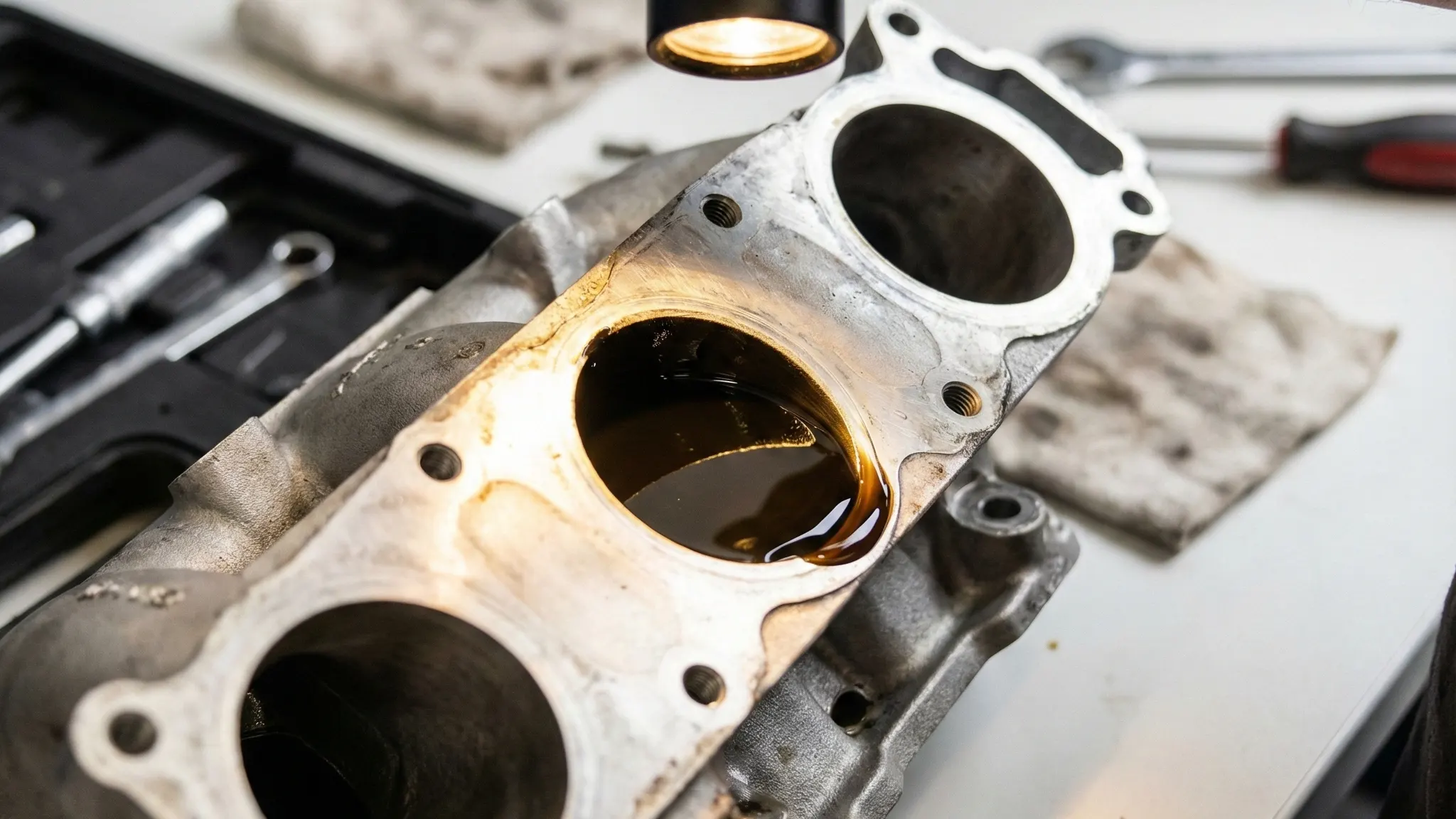
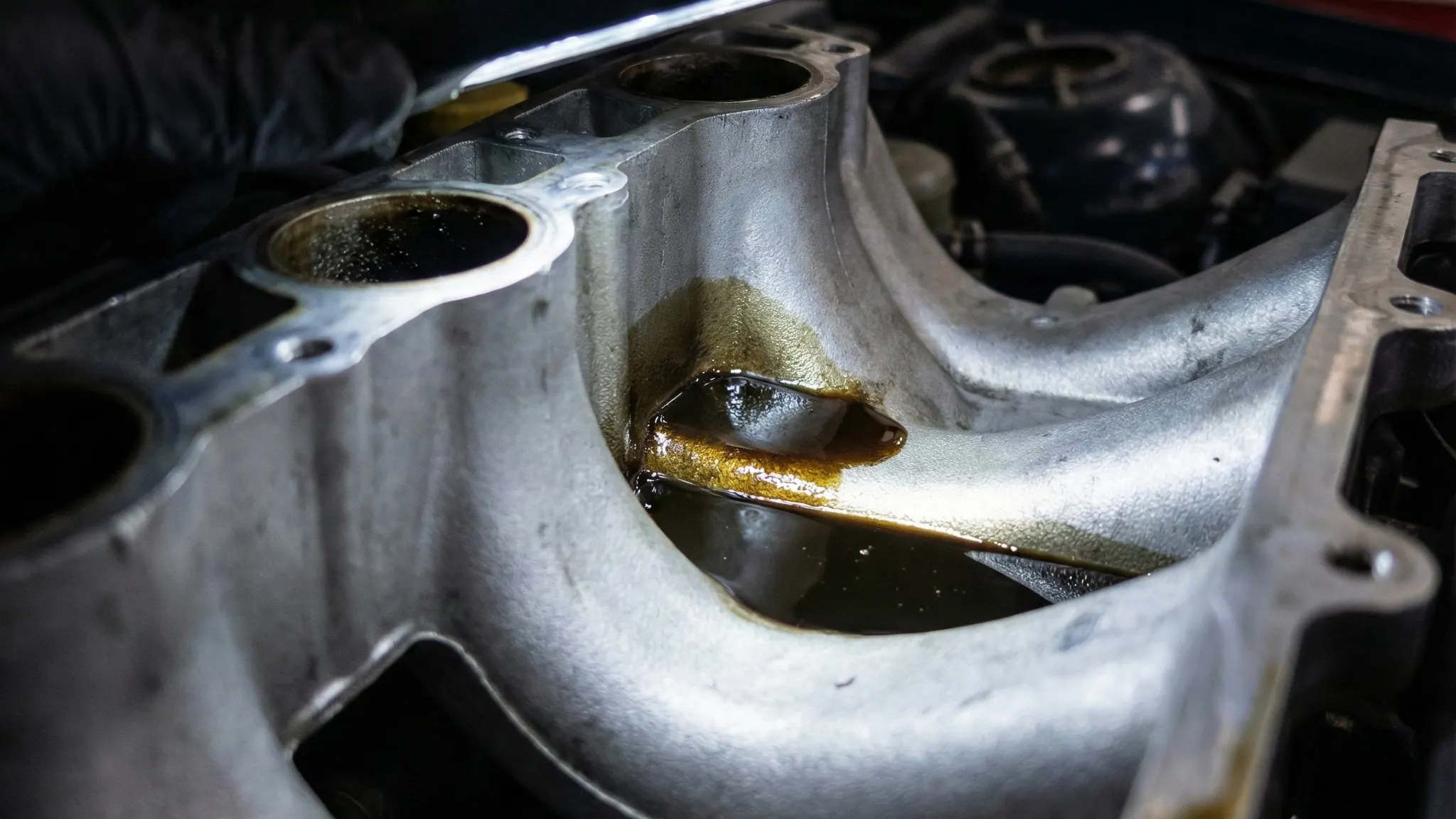
Finding Oil in Intake Manifold is always alarming.This indicates oil is entering the air stream.The intake manifold,should only carry air.The presence of oil often points to a ventilation issue.It can also signal internal engine wear.Addressing this issue quickly prevents performance loss.
⚙️ Sourcing OEM & Aftermarket Intake Manifold Assemblies?
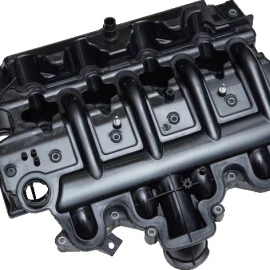
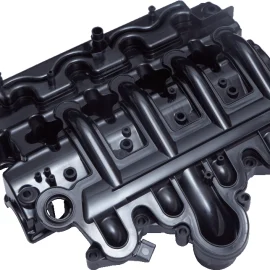
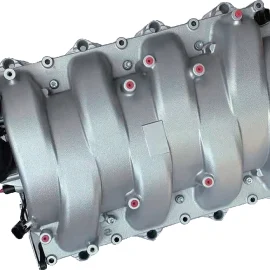
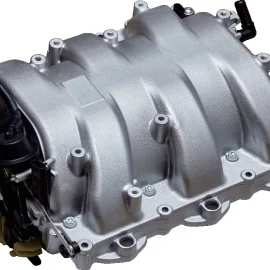
IATF 16949 Certified ManufacturerCracked plastic runners, stuck IMRC flaps (Code P2004), and warped flanges require complete assembly replacement. K-STONE supplies direct-fit PA66+GF30 Plastic and Die-Cast Aluminum Intake Manifolds for global distributors:
The Primary Culprit for Oil in Intake Manifold
The primary cause of oil seepage is engine blow-by.Blow-by refers to the escape of combustion gases through the piston ring gaps.The positive crankcase ventilation (PCV) system is responsible for handling these gases.PCV valves redirect the gases back into the intake system,a measure designed to meet environmental regulations.The oil mist carried by these gases condenses within the cooling manifold.
GDI Engines Face Higher Risk
Gasoline Direct Injection (GDI) engines are highly susceptible.Fuel is sprayed directly into the cylinder.
Therefore,fuel never washes the intake valves.The oil vapor condenses and hardens on the valves.This buildup causes severe problems later on.
Other Causes of Oil in Intake Manifold
| Cause | Description | Urgency Level |
|---|---|---|
| Failed PCV Valve | Valve is stuck open or clogged | Medium (Increases oil flow) |
| Worn Piston Rings | Too much combustion gas leaks | High (Engine rebuild required) |
| Turbocharger Seal Leak | Oil is pushed directly through the turbo | High (Requires turbo replacement) |
| Excessive Engine Sludge | Oil drains poorly, increasing vapor | Medium (Requires cleaning) |
The Risks of Oil in Intake Manifold
| Consequence | Problem Description | Solution Hint |
|---|---|---|
| Carbon Buildup | Oil bakes onto intake valves | Clean Intake Manifold |
| Performance Loss | Restricted airflow and timing issues | Needs prompt service |
| Vacuum Leaks | Oil damages manifold gaskets | Causing an Intake Manifold Vacuum Leak |
Identifying the Oil in Intake Manifold
The appearance of the oil tells a story.Thin,light oil is usually blow-by vapor condensation.This indicates a normal PCV function with excessive vapor.However,thick,black oil suggests a deeper problem.If the oil is contaminated with fuel,piston rings are likely worn.A professional can use a borescope.They look inside to confirm where the Oil in Intake Manifold is originating.
Get A Free Fast Quote
The Preventative Solution:Oil Catch Can
The oil-gas separator tank serves as the optimal preventive tool.Installed within the PCV system pipework,it captures oil vapour before it reaches the manifold,thereby maintaining intake valve cleanliness.Its fitting is strongly recommended for all GDI and turbocharged engines as a proactive measure against carbon deposits.
Diagnosis and Solutions
If you see oil,you need a full inspection.A simple fix might stop oil from leaking externally.However,internal oil means a deeper problem.
- Test PCV System:
Check the PCV valve first.A stuck or broken valve is cheap to replace.This is often the quickest fix. - Check Compression:
Low compression indicates worn piston rings.This confirms engine wear.Continuing to drive risks a damaged inlet manifold or engine failure. - Inspect Turbo:
Look for signs of oil inside the turbocharger pipes.A failing turbo seal needs urgent replacement.This prevents severe engine damage.
Contact Us Now
- RM901 No.22 Tangjiaqiao Road Wenzhou China
- +86 138 1973 9327
- [email protected]
- https://www.autosparesupplier.com/