
Smoke Test Guide for Valve Cover and Inlet Manifold [2026]
A smoke test quickly finds hidden air leaks in your intake manifold and your engine valve cover.Mechanics use this brilliant diagnostic method every single day.They solve complex engine vacuum problems easily.Unmetered air causes rough engine idling quickly.It also ruins your overall fuel economy completely.Therefore,this specific testing procedure is an incredibly valuable professional tool.We will clearly explain the essential tools today.
Furthermore,we will outline the specific testing steps.Ultimately,we will help you fix these annoying leaks permanently.This guide provides a complete,closed-loop repair solution.
Why Perform Smoke Test on Them?
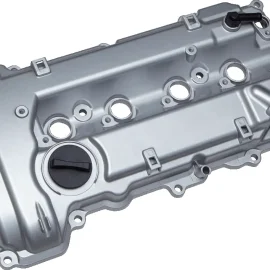
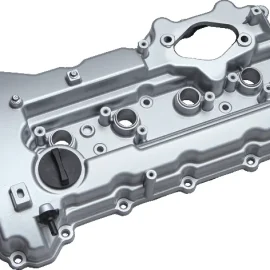
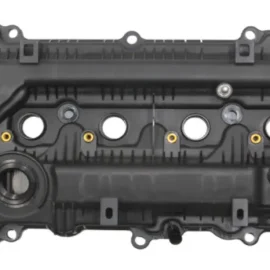
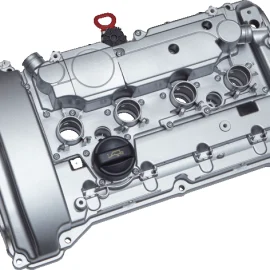
Your upper engine block also requires a perfect seal always.It connects directly to the positive crankcase ventilation system.A broken plastic valve cover lets unmetered air enter the engine block.Additionally,it allows messy oil vapors to escape into the engine bay.By smoke testing this area,you pressurize the empty space gently.The vapor will quickly exit through a bad rubber gasket.Similarly,it reveals hairline cracks in an older aluminum valve cover.Therefore,this visual method removes all stressful guesswork from the repair.You save time and money by finding the exact broken part.
Get A Quote Now
Safety Rules Before Begin Smoke Testing
You must follow strict safety rules always.This ensures absolute diagnostic accuracy and personal protection.First,park the vehicle in a windless garage area.Strong wind will blow the vapor away quickly.You will miss the leak entirely in windy conditions.Always work on a completely cool engine block.Hot engine parts can severely burn your bare hands.Furthermore,excessive engine heat can melt your plastic tools.Safety must always remain your absolute top priority.Additionally,always wear protective safety glasses.Vapor and engine dirt can cause severe eye irritation.
Essential Tools for Smoke Test on Intake Manifolds
You need highly specific equipment for a professional diagnosis.You cannot simply guess where invisible air leaks exist.Therefore,gathering the right specialized tools is crucial.Modern engine systems require gentle,regulated air pressure.They also need specific rubber adapter plugs.First,you need a high-quality automotive vapor machine.Next,you must seal the main air intake completely.Mechanics often use a stepped rubber cone tool.Sometimes,they utilize an inflatable rubber bladder instead.Furthermore,you strongly need a bright LED flashlight.This bright light helps you see the thin vapor.
| Tool Name | Primary Function | Importance Level |
|---|---|---|
| Automotive Vapor Machine | Generates safe, visible diagnostic vapor | Essential |
| Inflatable Bladder | Seals the main air intake hose securely | Essential |
| Bright LED Flashlight | Illuminates escaping vapor in dark areas | High |
| Basic Hand Tools | Removes plastic engine trim pieces | Medium |
Intake Manifold Smoke Test Procedure
Here is how to check the engine manifold properly.First,turn the vehicle engine off completely.Let the engine cool down safely and entirely.Next,remove the main air filter box.Take off the main rubber intake hose carefully.Insert the inflatable bladder tool into the throttle body.Connect the vapor machine nozzle directly to the bladder.Turn on the machine to fill the internal chambers.Wait two full minutes for vapor to build pressure.Shine your bright flashlight around the gasket mating surfaces.Finally,mark any escaping vapor spots with bright chalk.This specific process is highly effective globally.Specifically,it diagnoses common lean engine codes very quickly.
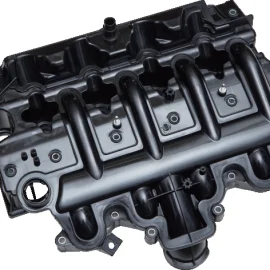
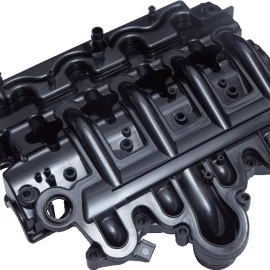
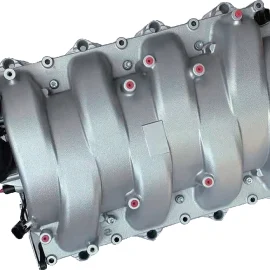
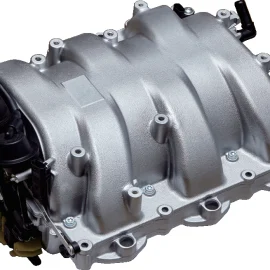
Essential Tools for Smoke Test on Valve Covers(Top Block Testing)
Testing the top of the engine requires different adapters.You must connect the machine perfectly to the engine.You connect it directly to the PCV system.Therefore,you need secure hose attachments.You also need caps to seal open vacuum lines.
| Tool Name | Primary Function | Importance Level |
|---|---|---|
| PCV Adapter Hose | Connects machine to the breather tube | Essential |
| Rubber Vacuum Caps | Plugs open vacuum lines safely | High |
| Yellow UV Light | Highlights special UV dye in the vapor | Medium |
| Safety Glasses | Protects eyes from dirt and vapor | Essential |
Engine Valve Cover Smoke Test Procedures
Now,let us examine the steps for the top end.First,locate the PCV valve correctly on the engine.You will find it directly on the main housing.Remove the PCV hose gently from the port.Attach your machine adapter tightly to this open port.Block the fresh air inlet tube completely.Use a solid rubber vacuum cap for this step.Turn on the vapor machine immediately.Pressurize the engine crankcase system very gently.Inspect the outer perimeter of the upper engine housing.Check the deep spark plug wells very carefully.Vapor often escapes from these hidden,dark areas.Use your UV light to spot hidden dye traces.This verifies the exact location of the leak perfectly.
Analyzing Results and Fixing Air Leaks
Once you find the exact leak,you must fix it.An intake manifold leak usually requires a new gasket.Sometimes,the plastic runner itself cracks badly.Extreme engine heat easily causes these hard plastic failures.In that specific case,replace the entire unit completely.
Conversely,a leak on the top block is simpler.Hardened rubber gaskets are the most common failure cause.An older aluminum valve cover might warp over time.However,a modern plastic housing usually cracks entirely.
Common Failures and Recommended Solutions
| Leak Location | Most Likely Cause | Recommended Repair Solution |
|---|---|---|
| Manifold Runner | Worn out rubber perimeter gasket | Replace all rubber gaskets entirely |
| Throttle Body | Loose mounting bolts or bad seal | Tighten bolts or replace rubber seal |
| Cover Perimeter | Hardened rubber housing gasket | Install a fresh, flexible rubber gasket |
| Spark Plug Tube | Leaking internal spark plug seals | Replace the entire top seal kit |
Contact Us Now
- RM901 No.22 Tangjiaqiao Road Wenzhou China
- +86 138 1973 9327
- [email protected]
- https://www.autosparesupplier.com/