
How Often Should The Intake Manifold Carbon Deposits Be Cleaned?
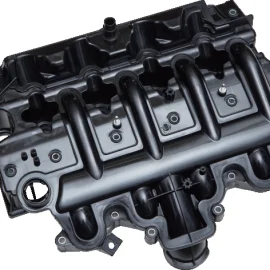
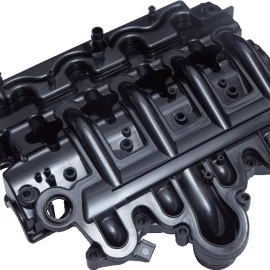
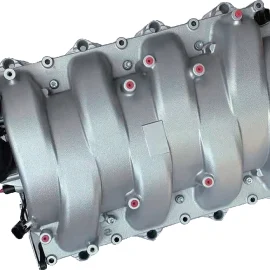
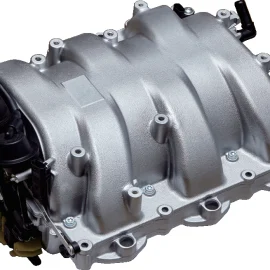
Carbon deposits inside the intake manifold significantly reduce overall engine performance and fuel efficiency.This issue primarily affects modern gasoline direct injection (GDI) engines.Unlike older engines,fuel in GDI systems does not flow past the intake valves.Consequently,fuel vapors and soot accumulate on metal surfaces over time.This buildup forms thick black sludge that obstructs essential airflow.
Get A Free Fast Quote
Why Do Carbon Deposits Form?
Most modern vehicles utilize an exhaust gas recirculation (EGR) system to reduce emissions.This system redirects a small portion of exhaust gases back into the intake manifold.Additionally,the positive crankcase ventilation (PCV) system directs oil mist into the same area.When these high-temperature gases contact the cooler surfaces of the intake manifold,they condense.Since direct-injection engines spray fuel directly into the cylinders,no detergent reaches the valves for cleaning.This process ultimately leads to blocked air passages.
Signs Your Intake Manifold Needs Cleaning
When deposits begin clogging your engine,you may notice several symptoms.First,the vehicle may struggle to maintain a steady idle.While waiting at red lights,you might feel the steering wheel vibrate.Second,you may notice a significant loss of acceleration power.The engine must work harder to draw in sufficient air for combustion.Finally,the “Check Engine” light may illuminate,displaying fault codes related to “lean mixture” or “misfire.”
Common Symptoms and Their Impact
| Symptom | Severity | Immediate Impact |
|---|---|---|
| Rough Idling | Moderate | Increased vibration and potential stalling. |
| Poor Fuel Economy | High | You will spend more money at the gas station. |
| Engine Misfires | Very High | Potential damage to the catalytic converter. |
| Loss of Power | High | Sluggish throttle response during merging. |
| Hard Starting | Moderate | The engine takes longer to turn over when cold. |
Recommended Intervals for Cleaning Carbon Deposits
As a Chinese intake manifold supplier,we recommend inspecting carbon buildup every 30,000 to 50,000 miles.
However,your specific driving habits significantly impact inspection intervals.For instance,frequent short trips prevent the engine from reaching optimal operating temperatures,accelerating engine deposits in the intake manifold.Conversely,highway driving helps burn off some engine deposits through higher temperatures.If you drive a high-performance turbocharged vehicle,you should inspect the system more frequently.
Factors That Accelerate Buildup
Multiple factors influence how quickly engine deposits damage engine health.Using low-quality gasoline lacking essential additives fails to keep internal components clean.Additionally,worn piston rings cause increased oil leakage into the intake system.Even a clogged air filter creates vacuum pressure,drawing more oil into the PCV valve.
Cleaning Intervals Based on Driving Style
| Driving Condition | Recommended Cleaning | The Reason |
|---|---|---|
| City/Short Trips | Every 30,000 Miles | Engine stays cool;more soot accumulates. |
| Mixed Driving | Every 50,000 Miles | Standard balance of heat and airflow. |
| Highway Only | Every 75,000 Miles | Consistent heat helps minimize oil sticking. |
| Performance/Track | Every 20,000 Miles | High boost pressures increase oil vapor flow. |
Modern Methods for Cleaning the Intake Manifold
The most common and effective method for cleaning carbon deposits is called “walnut shell blasting.” Crushed walnut shells are sprayed into the ports of the intake manifold.The shells are hard enough to break up deposits but soft enough to protect metal components.
Another method involves using specialized chemical foams.These substances dissolve deposits,which are then safely burned off by the engine.However,in cases of severe neglect,manual cleaning may sometimes be necessary.
Choosing the Right Cleaning Procedure
For minor carbon buildup,chemical sprays may resolve the issue quickly.This method is relatively inexpensive and requires minimal labor.However,severe deposits typically necessitate physical removal,such as walnut shell blasting.While this approach carries higher costs,it effectively restores the intake manifold to factory condition.Many vehicle owners report noticeable improvements in throttle response immediately after this service.
Comparison of Cleaning Methods
| Method | Cost | Effectiveness | Time Required |
|---|---|---|---|
| Chemical Spray | Low | Moderate (Preventive) | 1 Hour |
| Walnut Blasting | High | Excellent (Deep Clean) | 4 – 6 Hours |
| Manual Scrubbing | Medium | Good | 3 – 5 Hours |
| Induction Cleaning | Low | Moderate | 45 Minutes |
The Dangers of Ignoring Carbon Deposits
Neglecting carbon buildup can lead to severe engine failure.When airflow is restricted,the engine computer attempts to compensate by increasing fuel injection.This creates an overly rich fuel mixture that can melt the catalytic converter over time.Additionally,large chunks of carbon deposits may break off and fall into the combustion chamber.These hard fragments can scratch cylinder walls or cause valves to bend.Thus,what should be a simple maintenance task can ultimately escalate into a costly engine overhaul running into thousands of dollars.
Long-Term Financial Impact
Beyond mechanical failures,a buildup of deposits in your intake manifold valves can cost you money every single day.You may notice a drop in fuel efficiency of 10% to 15% per gallon of gasoline.Over the years,these extra fuel costs can even exceed the price of a professional cleaning.Furthermore,if your engine runs poorly,your vehicle’s resale value will decrease.Proper maintenance ensures your beloved car remains a reliable asset rather than a heavy financial burden.
How to Prevent Future Carbon Buildup
You can take the following steps to reduce future carbon buildup.First,always use “premium” gasoline with high detergent content.Second,consider installing a “carbon canister.”This device filters out carbon deposits before they reach the intake manifold.Third,occasionally perform an “Italian-style service,”which involves driving at higher RPMs on the highway.The extra heat helps prevent carbon mist from settling on the valves.Finally,never skip regular oil changes.Fresh oil produces less oil mist than old,dirty oil.
Contact Us Now
- RM901 No.22 Tangjiaqiao Road Wenzhou China
- +86 138 1973 9327
- [email protected]
- https://www.autosparesupplier.com/