
How to Clean Valve Covers Safely And Effectively?
Over time,oil turns into thick sludge.This sludge clogs the engine’s breathing passages.If you ignore it,your engine may suffer from poor performance.
Quick Guide:The Process at a Glance
| Step | Action | Key Tool / Chemical |
|---|---|---|
| 1.Removal | Take the cover off the engine. | Socket set / Ratchet. |
| 2.Pre-Soak | Loosen heavy grease and sludge. | Engine Degreaser / Oven Cleaner (Metal only). |
| 3. Scrubbing | Agitate the dirt in corners. | Nylon Brush / Scotch-Brite pad. |
| 4.Internal Wash | Unclog PCV baffles inside. | Brake Cleaner / Solvent. |
| 5.Drying | Remove moisture to prevent corrosion. | Compressed Air / Lint-free rag. |
Get A Quote Now
Step 1:Preparation and Safety First
Before you start to clean valve covers, safety is paramount.You are dealing with strong chemicals.
- Wear Protection:
Always use rubber gloves and safety goggles.Degreasers can burn your skin. - Remove the Cover:
Never clean the cover while it is on the engine.Water will damage electrical sensors. - Remove Gaskets:
Pull out the old rubber gasket and spark plug tube seals. Do not reuse them.
Cleaner Selection
| Material | Recommended Cleaner | DANGER: Do Not Use | Reason for Danger |
|---|---|---|---|
| Aluminum | Oven Cleaner (Heavy Duty) | Muriatic Acid | Acid causes pitting and corrosion. |
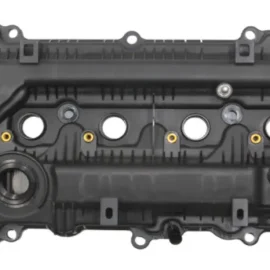
| Plastic / Composite | Dish Soap / Simple Green | Acetone / Paint Stripper | Solvents melt and warp plastic. |
| Painted Steel | Car Wash Soap | Steel Wool / Wire Brushes | May scratch the paint surface |
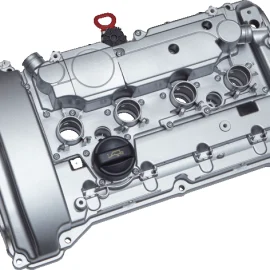
Oven cleaner is excellent for bare aluminum.It eats carbon fast.However,it will strip paint off a colored valve cover immediately.
Step 2:Removing Exterior Grease and Grime
The outside is usually covered in road dust and oil.You need a strong surfactant to break this bond.To achieve showroom-level cleanliness on the valve cover,repeat this step until satisfied.
- Apply Degreaser:
Lay the cover on a piece of cardboard.Spray a generous amount of engine degreaser. - Wait:
Let the chemical sit for 10-15 minutes.Do not let it dry. - Agitate:
Use a stiff brush.Scrub the bolt holes and the ribs of the cover. - Rinse:
Use a hose to wash away the foam.
Step 3:Clean Valve Covers Internally
For aluminum valve covers,you can use oven cleaner.Spray it on the inside sludge.Let it foam for 20 minutes.The caustic foam eats through the carbon deposits effectively.
For plastic valve covers,use a safe solvent like kerosene or diesel fuel.Let the cover soak in a tub.This softens the sludge without melting the plastic.When you clean valve covers internally,ensure you remove every piece of loose carbon.Loose carbon can fall into the engine and clog the oil pickup screen.
- Inspect the Baffles:
Look for a metal plate riveted inside.This is the oil separator. - Soak the Baffles:
Spray solvent generously behind this plate.Shake the cover to move the fluid around. - Dissolve Carbon:
Hardened carbon needs time.Let the solvent soak for at least 20 minutes. - Final Rinse:
Wash until the water runs clear.Note that any residual impurities may cause engine damage later on.Therefore, ensure thorough cleaning.
Step 4:Drying and Inspection
Water is dangerous inside an engine.You must ensure the part is dry before installation.
- Compressed Air:
This is the best method.Blow air into the baffle crevices. - Sun Dry:
Leave it in direct sunlight for an hour. - Wipe Seal Surfaces:
Use a clean rag on the gasket mating surface. It must be smooth.
While you clean valve covers,look for cracks.Plastic covers often crack near the bolt holes.If you find a crack,do not clean it;replace it.
Protect The Sealing Surface When Cleaning The Valve Cover
Based on our decade of professional experience,the bottom edge of the cover must be perfectly level.
When you clean valve covers,never use metal scrapers on the sealing surface.Aluminum is soft.A steel scraper will gouge the metal.These scratches create a path for oil to leak.
Best Practice:
Use a plastic razor blade or a nylon scouring pad.These tools remove old gasket material without cutting the metal.A smooth surface ensures the new gasket seals tight.
Environmentally Safe Disposal of Clean Valve Covers
Professional responsibility builds trust. When you clean valve covers,you generate toxic waste.The runoff contains oil,grease,and heavy chemicals.
- Do Not:
- Do not hose the grease into the street or storm drain.
- Do not pour solvents onto the grass.
- Do:
- Clean the cover inside a plastic tub or large oil pan.
- Collect the dirty fluid.
- Take the fluid to a local recycling center or auto parts store.
- Use “Oil-Dri” or kitty litter to soak up spills on your driveway.
Why You Should Clean Valve Covers Regularly
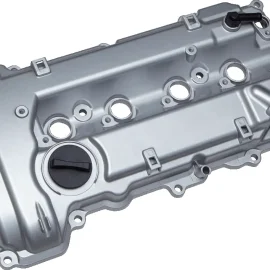
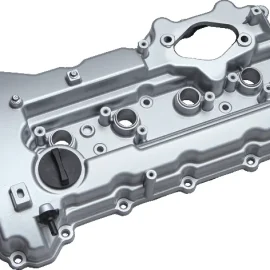
You might ask, why bother?The engine valve cover isn’t just a lid.It typically houses the crankcase positive crankcase ventilation (PCV) system.When cleaning the valve cover,you’re not only polishing the exterior but also clearing the internal baffles.
Failure to thoroughly clean the inside of the valve cover will result in a clogged PCV system.A clogged PCV system causes pressure to build up in the crankcase,which can force its way past the crankshaft seals and oil pan gasket.Therefore,sludge removal is essentially preventive maintenance that avoids costly oil leak repairs down the road.
FAQs for Cleaning Valve Covers
Technically yes,but it is a bad idea.The oil and grease will ruin your dishwasher and contaminate your next load of dishes.
No.However,bare aluminum will oxidize (turn white) over time.Applying a high-heat clear coat keeps it looking new.
The active work takes about 30 minutes.However,drying time is crucial.Plan for the car to be down for at least 2 hours.
Yes,WD-40 can remove light surface oxidation and quickly restore shine,making it particularly suitable for cosmetic touch-ups.However,it cannot replace deep cleaning.
Yes,for minor external grime, you can use a specialized spray cleaner.However,this does not replace thorough disassembly and cleaning,nor can it remove internal carbon deposits.
Contact Us Now
- RM901 No.22 Tangjiaqiao Road Wenzhou China
- +86 138 1973 9327
- [email protected]
- https://www.autosparesupplier.com/