
The Truth About Engine Valve Cover Lifespan.
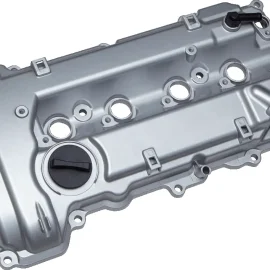
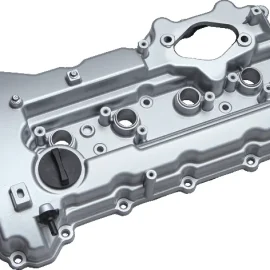
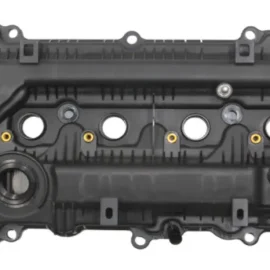
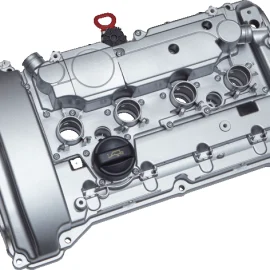
The average valve cover lifespan typically spans the entire life of the vehicle,provided it is made of metal.However,this component is not invincible.Modern engines often use plastic composites to save weight.Therefore,these plastic components may eventually become brittle and crack due to heat exposure.
Key Takeaways: Valve Cover Lifespan at a Glance
- Metal Covers:Usually last 200,000+ miles (indefinite).
- Plastic Covers:Typically last 80,000 – 120,000 miles.
- Primary Enemy:Extreme heat cycles and overtightening bolts.
- Main Symptom:Oil leaks that persist after a gasket change.
Material Differences and Valve Cover Lifespan
The material composition of components is the most critical factor affecting their service life.Typically,these materials are aluminum and plastic.
- Aluminum Covers:
These are very durable.They resist high heat and rarely warp.Unless you physically break them or strip the threads, the engine valve cover lifespan is indefinite. - Plastic Covers:
These are common in cars built after 2000.Over time,the constant heating and cooling cycles harden the plastic.Eventually,hairline cracks develop.Therefore,a plastic cover usually lasts between 80,000 and 120,000 miles.
Valve Cover Lifespan:Material And Expected Longevity
| Material Type | Estimated Lifespan | Common Failure Mode | Durability Rating |
|---|---|---|---|
| Cast Aluminum | 200,000+ Miles (Life of Car) | Corrosion / Stripped Threads | High |
| Stamped Steel | 150,000+ Miles | Rust / Denting | Medium |
| Plastic Composite | 80,000 – 120,000 Miles | Cracking / Warping | Low |
| Magnesium | 150,000+ Miles | Corrosion / Pitting | Medium-High |
Replacement Costs When Valve Cover Lifespan Ends
Understanding the financial impact is part of owning a vehicle.When the valve cover lifespan is over,you must budget for replacement.Prices vary based on whether you do it yourself (DIY) or hire a professional.
Estimated Repair Costs (Parts + Labor)
| Vehicle Type | DIY Cost (Part Only) | Professional Mechanic Cost |
|---|---|---|
| 4-Cylinder Economy Car | $50 – $150 | $200 – $400 |
| V6 / V8 Sedan or Truck | $100 – $250 | $350 – $600 |
| Luxury European Car | $200 – $500 | $600 – $1,200 |
European cars often require more labor to access the engine components.
Labor costs vary across different countries or regions, so prices will also differ accordingly.
Factors That Shorten Valve Cover Lifespan
- Extreme Heat:
Engines run hot.If your engine overheats frequently,the plastic warps faster.Warping breaks the seal against the cylinder head. - Overtightening:
Human error leading to over-tightening of bolts will cause plastic cracking.This will immediately end the service life of the valve cover. - Chemical Damage:
Using harsh acids to clean the engine can weaken the material.Always use safe degreasers. - PCV Failure:
Many modern covers have a built-in PCV valve.If this valve fails,you often must replace the entire cover.
Get A Quote Now
Distinguishing Gasket Failure from Cover Failure
Valve cover gasket is a rubber seal and is considered a “wear part.”During a vehicle’s service life,gaskets may fail multiple times,typically lasting between 40,000 and 60,000 miles.If an oil leak is detected,do not mistakenly assume the valve cover has reached the end of its service life.Usually,simply replacing the rubber gasket is sufficient.However,if the leak persists after replacing the gasket,it may indicate deformation or cracking of the cover itself.
Signs Your Valve Cover Lifespan Has Ended
How do you know if the part is actually bad? Look for structural damage rather than just leaking oil.
- Visible Cracks:
Inspect the area around the bolt holes for stress cracks,as they typically appear here first. - Warped Component:
Lay the cover flat on a table.If it wobbles front to back,the cover is warped.A warped cover cannot reseal properly. - Broken Ports:
Check the hose connections in the PCV system for breaks. - Oil in Spark Plug Wells:
While often a gasket issue,a cracked spark plug tube (part of the cover) is a permanent failure.
Troubleshooting: Repair or Replace?
| Symptom | Recommended Action | Impact on Valve Cover Lifespan |
|---|---|---|
| Leaking Oil at Edge | Replace Gasket Only | None |
| Crack near Bolt | Replace Cover Immediately | Terminal Failure |
| Stripped Screw Hole | Repair with Helicoil | Repairable |
| Built-in PCV Clog | Replace Cover | Terminal Failure |
How to Extend Your Valve Cover Lifespan
Second,keep the engine cool.Ensure the cooling system functions properly,as overheating can rapidly damage plastic components.
Third,clean the engine gently.Remove oil stains promptly.Prolonged exposure to high-temperature oil can cause gradual degradation of plastic components.Following these guidelines will maximize the service life of your valve covers.
FAQs About Driving Without a Valve Cover
It is not recommended to use repaired valve covers for extended periods.You may repair cracked plastic valve covers using high-temperature epoxy resin.Aluminum valve covers can be repaired through welding.The most reliable solution remains replacing the entire valve cover.
Yes.A cracked lid can cause a vacuum leak.This can result in rough idling and trigger the “Check Engine” warning light.
Often,yes.Many enthusiasts upgrade to aluminum covers to eliminate cracking issues permanently.This upgrade significantly increases the lifespan.
Leaky valve covers drip engine oil onto the road.Rainwater washes this oil into storm drains,ultimately contaminating local water sources.
Contact Us Now
- RM901 No.22 Tangjiaqiao Road Wenzhou China
- +86 138 1973 9327
- [email protected]
- https://www.autosparesupplier.com/